
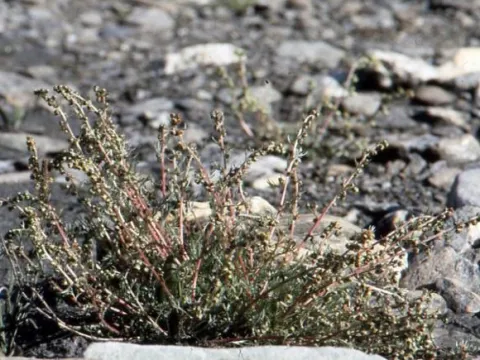
Snow wormwood
Artemisia nivalis
Snow wormwood is propagated primarily through seeds, which require specific temperature conditions for optimal germination in the nursery stage.
What the section contains
Snow wormwood
Sowing in trays or containers is recommended to ensure even distribution and protection against early environmental stresses before field transplanting.
The seeds should be sown on the surface of the soil with minimal covering, as they require light and steady moisture to break dormancy effectively.
Transplanting seedlings to the field occurs once the risk of frost has passed, ensuring the plants establish a strong root system during the spring growth phase.
Row spacing should be managed to ensure adequate ventilation between plants, which is crucial for preventing fungal outbreaks in dense plantings.
Snow wormwood thrives in environments that mimic its natural mountainous habitat, favoring high sun exposure and low atmospheric humidity.
The ideal soil profile for this crop is well-drained, sandy, or rocky, which prevents the moisture accumulation that can damage the root crown.
While the plant is naturally drought-tolerant, supplemental irrigation is beneficial during the initial establishment period in the first year of growth.
Soil pH levels should ideally fall within the neutral to slightly alkaline range to support the proper uptake of micronutrients necessary for essential oil production.
Temperature fluctuations are generally well-tolerated by mature plants, but protection from extreme heat during seedling stages may be required in some climates.
The yield of Snow wormwood is characterized by a high concentration of aromatic compounds, making it a valuable target for essential oil extraction.
Commercial productivity increases significantly from the second year onwards as the root system matures and the plant density becomes established.
Proper management of nutrient levels and solar exposure directly correlates with the quality of the raw herbal material produced per hectare.
Standardized harvesting practices ensure that the yield remains consistent in terms of active ingredient content, meeting the demands of the pharmaceutical industry.
Regular crop rotation and rejuvenation of fields every few years are essential to maintain high annual output and plant health.
Fungal pathogens associated with high moisture levels represent the primary threat to the health of Snow wormwood plantations during humid seasons.
Root rot and powdery mildew can severely affect yield if the air circulation around the plants is not properly managed through spacing and pruning.
Pest pressures from aphids and various mite species can necessitate integrated management strategies, focusing on biological controls to protect the crop.
Early detection of infestation is vital to prevent the rapid spread of pests across the field, which can compromise the quality of the medicinal harvest.
Adhering to strict sanitary practices in the field, including the removal of infected debris, is the best preventive measure against recurring plant diseases.
Harvesting should be timed precisely with the peak flowering stage to capture the maximum volume of volatile oils present in the aerial plant tissues.
Mechanical harvesting tools must be adjusted to the correct height to leave the base of the plant intact, allowing for regrowth and potential multiple harvests.
Rapid post-harvest transport and processing are essential to maintain the structural integrity and potency of the volatile compounds during hot weather.
Drying processes utilize climate-controlled drying chambers to remove moisture while preserving the delicate chemical profile of the plant.
Finished raw material is stored in controlled environments to protect it from degradation by light, heat, and humidity until it reaches the final processor.