
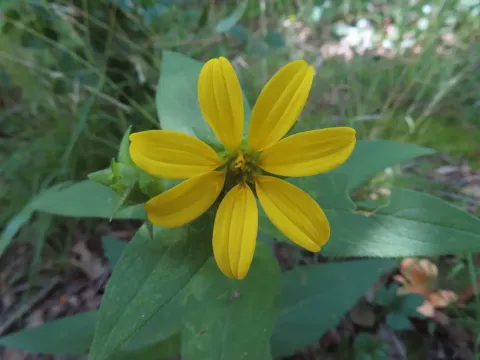
Silphium asperrimum
Silphium asperrimum
Silphium asperrimum, also known as rough rosinweed, is a perennial herbaceous plant belonging to the Asteraceae family. It is increasingly recognized for its longevity and high biomass production in agricultural systems.
What the section contains
Silphium asperrimum
The seeds of this species possess deep dormancy; therefore, cold stratification is required for 30 to 60 days to ensure successful germination. Planting is typically conducted in late autumn or early spring to take advantage of soil moisture.
For industrial cultivation, a row spacing of 60 to 70 centimeters is recommended. This spacing provides enough room for individual plants to develop strong rosettes during their first year and allows for efficient mechanized weeding.
The seeds should be sown at a depth of 2–4 centimeters depending on soil texture. A firm seedbed is essential to ensure adequate soil-to-seed contact and to promote uniform emergence across the field.
During the first year, Silphium grows slowly and focuses on root development. Weed management during this establishment phase is critical to prevent competition from encroaching vegetation that could stunt the young plants.
The species is adaptable to various soil types but thrives in fertile, deep loamy soils with consistent moisture levels. While it is hardy, it does not tolerate prolonged standing water or severe waterlogging.
Silphium asperrimum demonstrates excellent winter hardiness, allowing it to survive extreme temperatures in various climates. Its roots remain dormant during winter and rapidly initiate growth as soon as soil temperatures rise.
Full sun is required for optimal performance. The plant's productivity significantly declines in shaded environments, and it is best planted in open fields to maximize photosynthesis and total biomass yield.
Its deep taproot system provides high drought tolerance once established. This allows the plant to access subsoil moisture during dry summer months when other shallow-rooted forage crops might succumb to stress.
Regular fertilization, particularly with nitrogen, is beneficial for maximizing vegetative mass. Maintaining nutrient levels ensures the plant can support high annual yields over its long productive lifespan.
The primary use of Silphium asperrimum is as a high-quality forage crop, harvested for silage or haylage. It is highly valued for its nutritional profile, providing essential sugars and proteins for livestock.
Yields of green mass can reach 50–80 metric tons per hectare after the second year of growth. The plants produce tall, woody stalks that can grow up to 2 meters in height, making them suitable for standard forage harvesting equipment.
In addition to its forage value, the plant is a significant honey-producing species. It blooms in late summer and autumn, providing a critical late-season nectar source for pollinators and honeybees.
The nutritional quality of the silage is generally good, and it is well-accepted by cattle and other ruminants. This makes it a reliable component for winter feeding programs in temperate regions.
Given its perennial nature, a single planting can remain productive for over a decade. This reduces the need for annual land preparation and sowing, offering long-term economic benefits to agricultural producers.
Silphium asperrimum is naturally resistant to many pests and diseases that affect traditional grasses or legumes. Its sturdy, rough-textured leaves generally discourage common agricultural insect pests.
In very humid conditions, occasional outbreaks of powdery mildew or leaf spots may occur, particularly if planting density is too high, leading to reduced air circulation within the stand.
Pest pressure is usually low, and the plant's natural vigor allows it to recover quickly from minor damage without the need for intensive chemical interventions or pesticide applications.
The greatest threat during the establishment phase is weed competition. However, once the root system is established, the plant becomes highly aggressive and can effectively outcompete most common weeds in the area.
Good agricultural practices, such as proper harvest timing and maintaining field hygiene, are sufficient to keep the stand healthy. Clearing plant debris post-harvest helps minimize the buildup of any potential pathogens.