
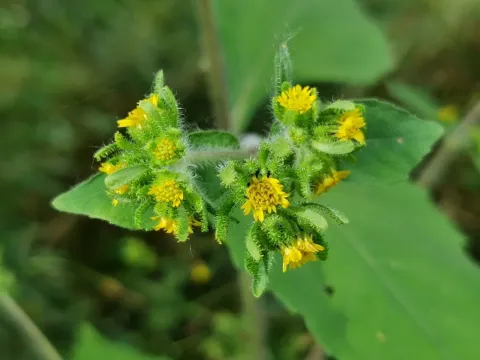
Sigesbeckia pubescens
Sigesbeckia pubescens
Sigesbeckia pubescens, belonging to the Asteraceae family, is an annual herb primarily cultivated for its significant pharmacological properties. The plant is widely recognized in traditional botanical medicine for its active compounds.
What the section contains
Sigesbeckia pubescens
Sowing should be conducted in late spring when the soil temperature consistently reaches 15 degrees Celsius. The seeds require a well-prepared seedbed to ensure high germination rates.
Seeds should be planted at a shallow depth of 1 to 2 centimeters. Light is a critical factor for the emergence of the seedlings, so burying them too deep will inhibit growth.
Spacing the plants 45 centimeters apart in rows promotes sufficient airflow. This density is ideal for preventing moisture buildup around the base of the plant, reducing disease pressure.
Success in sowing depends on soil moisture at the time of planting. If the soil is too dry, irrigation must be applied immediately to facilitate the initial development of the root system.
The plant thrives in fertile, well-drained loamy soils. It is highly intolerant of waterlogged conditions, which lead to rapid decay of the vascular tissues and poor plant development.
Exposure to full sunlight is essential. The species requires at least 6 to 8 hours of direct sunlight per day to synthesize the secondary metabolites required for its medicinal quality.
Moderate irrigation is necessary throughout the growing season. While the plant can withstand short periods of dryness, consistent moisture levels produce the highest biomass yields.
A neutral soil pH ranging from 6.5 to 7.0 is optimal for nutrient uptake. Soil testing before planting is recommended to ensure the availability of necessary minerals like nitrogen and potassium.
Good air circulation is vital. Fields should be situated in open areas to prevent the accumulation of humidity, which is often a precursor to many fungal infections in this crop.
Fungal diseases, including root rot and mildew, represent the most significant threats to Sigesbeckia pubescens. These often occur in fields with poor drainage or during extended rainy periods.
Aphids and spider mites are the most common pests. They feed on the tender sap of young leaves and stems, leading to stunted growth and reduced crop value if left uncontrolled.
Crop rotation is the most effective preventative measure against soil-borne pathogens. Rotating with non-Asteraceae crops every 3 years is highly recommended to break disease cycles.
Weed management is critical in the early stages of growth. Weeds compete for resources and can act as vectors for various insect pests that transmit viral diseases to the crop.
Biological control agents, such as predatory insects, can be used to manage mite populations, maintaining the ecological balance of the field without compromising the quality of the herbal raw material.
The harvest period is synchronized with the full flowering stage. This is when the plant's concentration of active diterpenoids is at its peak, ensuring maximum therapeutic potency.
Harvesting is performed by mowing the plants approximately 15 centimeters above the soil level. This allows for a clean harvest and keeps the raw material free from soil contamination.
Drying must occur immediately post-harvest to prevent fermentation. Controlled drying at 40 degrees Celsius in shaded, ventilated rooms is the standard for maintaining ingredient integrity.
Avoid harvesting during or immediately after rain, as excess surface moisture significantly complicates the drying process and increases the risk of mold growth during storage.
Once dried, the herb should be stored in cool, dark, and dry conditions. Proper packaging protects the product from environmental factors and maintains its shelf life for medicinal use.