
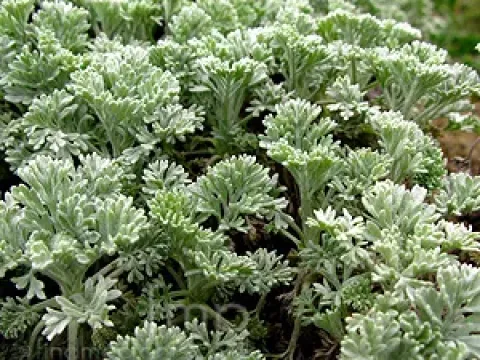
Silver tansy
Tanacetum argenteum
Silver tansy (Tanacetum argenteum) is a perennial herbaceous plant belonging to the Asteraceae family, valued for its unique silvery foliage and hardiness.
What the section contains
Silver tansy
Propagation is typically done through seeds, which should be sown in a well-draining seedbed either in late autumn or early spring after the frost passes.
When starting indoors, seeds require shallow planting and light exposure for optimal germination, usually taking about two to three weeks to emerge.
Seedlings should be hardened off before being transplanted into the garden, ensuring the spacing is sufficient to promote healthy airflow between individual plants.
Once established, the plant may spread slightly, making it a reliable choice for perennial borders that require minimal maintenance over several seasons.
The plant thrives in full sun, which is essential to maintain the intense silvery appearance of its finely divided, pubescent leaves.
It prefers gritty, sandy, or rocky soil that provides excellent drainage, as the species is highly susceptible to root rot if left in waterlogged conditions.
Silver tansy is naturally adapted to dry, mountainous regions, exhibiting remarkable drought tolerance once the root system is fully developed.
Soil pH should ideally be neutral or slightly alkaline, reflecting the plant's native habitat where it grows in calcium-rich, mineral-heavy substrates.
The plant is frost-hardy and generally does not require winter protection, though providing a dry mulch can help during particularly wet winter periods.
The primary concern for Tanacetum argenteum is fungal disease, particularly powdery mildew, which can occur if the humidity levels around the foliage are too high.
While the plant's aromatic oils serve as a natural deterrent, aphids can occasionally infest the growing tips during periods of rapid, soft spring growth.
Good cultural practices, such as ensuring adequate spacing and removing dead foliage, are the best methods to prevent the onset of most common diseases.
In cases of severe infestation or infection, organic neem-based treatments or systemic fungicides can be used, provided the instructions are followed carefully.
Regular inspection of the plant during the growing season helps in identifying early signs of distress before the condition spreads to the entire colony.
Silver tansy is primarily used in landscaping as an ornamental filler, but its foliage is also highly sought after for floral arrangements and dried bouquets.
For medicinal or essential oil extraction, the aerial parts should be harvested just before the plant reaches full bloom to ensure maximum oil potency.
Drying should be conducted in a cool, shaded, and well-ventilated area to prevent the silver hairs on the leaves from darkening or losing their texture.
The harvested dried material can be stored in airtight containers to preserve its characteristic scent and aesthetic appeal for use throughout the year.
Research into the pharmaceutical potential of the plant is ongoing, focusing on its antioxidant properties and traditional applications in herbal medicine.