
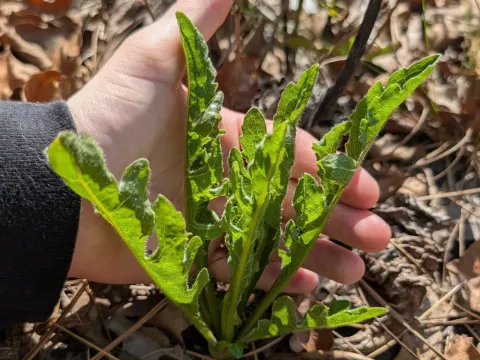
Silphium
Silphium
Sowing Silphium perfoliatum is most effective during the early spring once soil temperatures reach 8-10 degrees Celsius. Fall sowing is also an option in temperate regions, as the seeds benefit from natural stratification during the winter months.
What the section contains


Silphium
Seeds should be planted at a depth of 2-3 centimeters into a well-prepared seedbed. Maintaining good contact between the seed and the soil is essential to ensure uniform germination, which can sometimes be delayed.
During the first year, the crop focuses on root development and forms only a basal rosette of leaves. Weed control is critical during this establishment phase to prevent the plants from being outcompeted by aggressive weeds.
The recommended planting density is 30,000 to 50,000 plants per hectare. Overcrowding can lead to suboptimal growth patterns and lower biomass yields as the plant matures over subsequent years.
Inter-row cultivation after emergence helps to aerate the soil and stimulate the vigorous development of the taproot system, which is vital for the plant's long-term success.
Silphium belongs to the Asteraceae family and is a robust perennial capable of thriving in the same location for up to 20 years. Its longevity makes it an excellent choice for reducing long-term field maintenance costs.
The crop is highly frost-tolerant and can survive severe winters without damage to its rootstock. It also exhibits significant drought resistance, making it suitable for areas with variable precipitation.
While Silphium prefers fertile, moisture-retentive soils, it adapts well to various soil types, including heavy loams. Proper drainage is important to prevent waterlogging, which can be harmful to the root system.
Organic fertilizers like manure or compost are highly beneficial for improving soil structure and providing a slow-release nutrient source. Nitrogen applications can boost growth during the peak spring vegetative phase.
Silphium is also a valuable honey plant, producing nectar in late summer when many other forage sources have finished blooming, making it highly beneficial for local pollinator populations.
Biomass production typically reaches its peak by the third year of cultivation. In optimal conditions, Silphium can yield between 60 and 100 tonnes of fresh biomass per hectare annually.
The dry matter content is impressive, with potential yields of 15-20 tonnes of dry matter per hectare. This high energy density makes it a preferred feedstock for biogas plants and silage production.
Once established, the field requires minimal intervention, leading to high economic efficiency over its 15-20 year lifespan. Periodic renewal of the plantation is only necessary after productivity naturally declines.
The silage produced from Silphium has good nutritional value and is readily consumed by livestock. Its high protein content serves as an effective supplement in cattle feed rations.
Maintaining proper field management, including timely harvesting and nutrient replenishment, ensures that high yields are sustained for over a decade of continuous production.
Silphium perfoliatum is remarkably resistant to most common agricultural pests and diseases. This natural resilience makes it an ideal candidate for low-input and organic farming systems.
Slugs can occasionally cause minor damage to young, tender plants during wet springs. Early mechanical inter-row cultivation is usually sufficient to mitigate this risk without chemical intervention.
There are no major insect pests that threaten mature Silphium stands, which significantly reduces the need for expensive pesticide applications throughout the growing season.
The primary threat during the establishment phase is weed competition. If left unmanaged, weeds can inhibit the growth of the slow-developing Silphium seedlings, leading to reduced stand density.
Fungal diseases are rare and typically only appear under conditions of extreme moisture stress or poor site selection. Choosing well-drained soil is the best preventive strategy against such issues.
Harvesting is typically done once per season in late summer. For silage production, the best quality is achieved when the plant is in the budding stage, ensuring high digestibility and sugar content.
Standard forage harvesters are used to cut and chop the biomass. The machinery must be set to ensure a consistent chop length, which facilitates efficient fermentation in silos or biogas digesters.
For biogas applications, harvesting can be delayed until later in the season. A more mature plant provides higher volumes of fibrous dry matter, which is advantageous for stable methane production.
After harvesting, it is important to leave a stubble height of 10-15 centimeters. This practice encourages nutrient storage in the roots, ensuring the plant survives the winter and regrows vigorously.
Ensuring airtight storage in silage pits is crucial, as the high moisture content of the fresh material requires proper fermentation to prevent spoilage and maintain nutritional density.