
Silver tussock
Raoulia australis
Description
Growing requirements
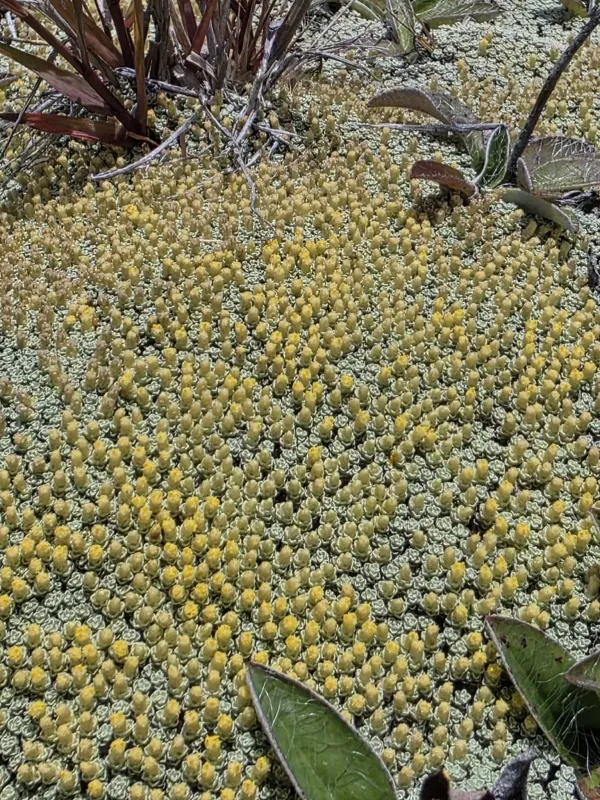
Raoulia australis, commonly known as a type of silver tussock or mat daisy, is a perennial herbaceous plant belonging to the Asteraceae family. It is native to the South Island of New Zealand, specifically adapting to high-altitude rocky screes and arid riverbed environments.
The plant is characterized by its prostrate, mat-forming growth habit. Its minute, tightly packed leaves are covered in silver-grey hairs, an evolutionary adaptation that serves to reflect intense solar radiation and reduce water loss through transpiration in harsh alpine winds.
Agricultural and horticultural success with this species depends heavily on emulating its natural habitat. It requires extremely well-drained, gritty, or sandy soil with low nutrient levels. Any accumulation of moisture around the root zone or the crown will inevitably lead to fungal decay.
As a sun-loving species, Raoulia australis demands full exposure to direct sunlight throughout the day. It does not tolerate shade, which causes the foliage to lose its characteristic silver sheen and leads to etiolation, making the plant structurally weak and susceptible to disease.
In terms of practical use, it is widely utilized in rock gardens, scree beds, and alpine troughs. Because it grows very slowly and maintains a dense, cushion-like structure, it is highly valued as a low-maintenance ground cover that suppresses weeds in a formal alpine garden setting.
Main diseases and pests
The most significant threat to the health of Raoulia australis is winter wetness, which causes crown rot. To mitigate this, growers often apply a layer of fine grit or gravel around the base of the plant to keep the foliage dry and ensure quick water drainage.