
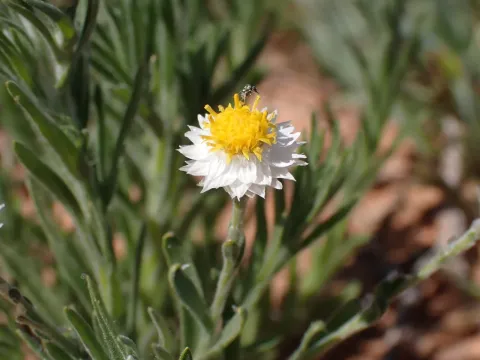
Rhodanthe
Rhodanthe
Rhodanthe is an annual plant primarily propagated via seeds. Starting seeds indoors in early spring allows for an earlier onset of the flowering period.
What the section contains
Rhodanthe
The seeds should be sown in a light, well-draining seed-starting mix. They require light to germinate, so they should be only lightly covered with a thin layer of vermiculite.
Maintaining a consistent temperature of about 18–20 degrees Celsius is crucial for successful germination, which usually occurs within 10 to 14 days.
Transplanting should be handled with extreme care. Young seedlings are sensitive to root disturbance, so using peat pots is highly recommended to minimize shock during transfer.
Hardening off the seedlings is an essential step before planting them in the garden to ensure they adjust to the outdoor environment and environmental stresses.
Originating from Australia, Rhodanthe thrives in sunny conditions. It requires a full sun location to promote strong stem development and abundant flower production.
Soil requirements include excellent drainage. The plant performs best in sandy or rocky soils with neutral to slightly acidic pH, avoiding waterlogged heavy clay.
As a drought-tolerant species, it is highly sensitive to overwatering. Irrigation should be minimal, and the soil must be allowed to dry out between watering sessions.
The plant belongs to the Asteraceae family and is generally adapted to poor soil conditions. Excessive fertilization, especially with nitrogen, can lead to vegetative overgrowth.
Adequate air circulation is vital for this crop. Planting at the correct spacing ensures that foliage dries quickly, preventing fungal issues and maintaining plant health.
Rhodanthe is highly valued in the floral industry as an "everlasting" flower. Harvesting at the precise stage is essential to preserve its quality for dried arrangements.
The optimal time for harvest is when the flower heads are only partially opened. Fully opened flowers will often lose their shape and aesthetic appeal upon drying.
Harvesting should be performed in the morning after the dew has evaporated, ensuring that the plant tissue is dry and ready for immediate preservation.
To dry, bunch the stems together and hang them upside down in a dark, well-ventilated area. Darkness is necessary to prevent color fading from ultraviolet exposure.
Once fully dried, these flowers offer exceptional longevity, maintaining their stiff petals and vibrant colors for extended periods in decorative displays.
Rhodanthe is generally robust, but it can be susceptible to root rot if grown in poorly drained soils or subjected to high humidity and stagnant air.
Fungal pathogens such as powdery mildew may affect the leaves if plants are overcrowded or if water splashes onto the foliage during the irrigation process.
Pests like aphids can occasionally infest the flower buds and young shoots, sucking nutrients and distorting the growth of the developing inflorescences.
Integrated pest management strategies are recommended, focusing on maintaining good plant vigor through correct cultural practices rather than relying solely on chemicals.
Prevention remains the most effective control method, involving proper site selection, appropriate spacing, and careful irrigation monitoring throughout the growth cycle.