
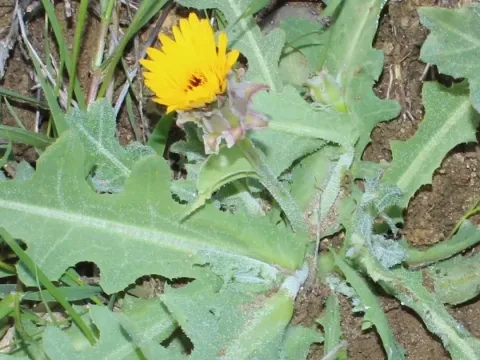
Reichardia
Reichardia
Reichardia is a genus of flowering plants belonging to the Asteraceae family. Native to the Mediterranean region, North Africa, and the Canary Islands, this plant is well-adapted to arid and semi-arid environmental conditions.
What the section contains


Reichardia
The culture thrives in well-drained, sandy or loamy soils. It is highly resistant to drought, but for commercial production, supplemental irrigation during the seedling establishment phase significantly increases biomass yield.
Climate requirements include full sunlight exposure. Reichardia is sensitive to excessive cold and waterlogging, making it an excellent candidate for cultivation in regions with mild winters and warm, dry springs.
The botanical structure consists of a basal rosette of edible leaves and erect, branched stems. The plant demonstrates high vigor and can regenerate effectively after being cut, which is a key trait for leaf vegetable production.
In terms of usage, Reichardia is primarily grown as a leafy green vegetable. It is harvested for its mild, slightly nutty flavor, often used as a nutritious addition to fresh salads, soups, or lightly sautéed side dishes.
Aphids are the most common insect pests affecting Reichardia. They tend to cluster on the undersides of leaves and at the base of the flower stalks, causing leaf curling and general nutrient depletion.
Powdery mildew represents a significant fungal threat, especially in conditions of poor ventilation or high humidity levels. Managing canopy density is the primary preventative measure for this disease.
Slugs and snails frequently target young Reichardia crops, as they prefer the tender texture of the foliage. Integrating biological controls or physical barriers is essential for maintaining crop integrity.
Root rot, specifically caused by overwatering, is a major physiological and pathological threat. Implementing a precision irrigation strategy helps maintain the soil moisture at a level that avoids oxygen deprivation in roots.
Weed management is critical during the first three weeks of growth. Due to the relatively slow initial development of the rosette, competition from aggressive weeds can easily stunt the growth of the crop.