
Rhaponticoides africana
Rhaponticoides africana
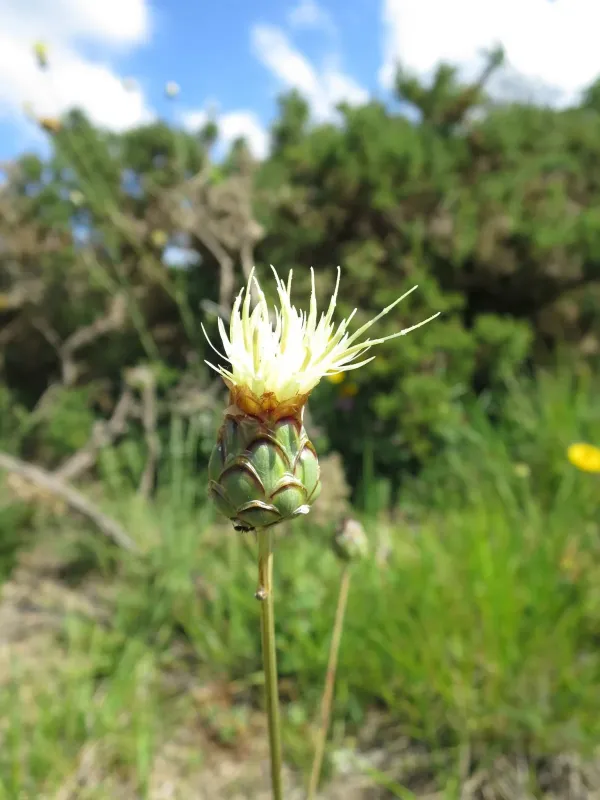
Description
Growing requirements
Rhaponticoides africana belongs to the Asteraceae family and is known for its resilience and adaptability to Mediterranean-type climates. This plant is characterized by its robust growth pattern and ability to thrive in poor soil conditions where other crops might struggle.
The plant requires full sun exposure to reach its maximum productivity. It is drought-tolerant, making it a potential candidate for regions with scarce rainfall, provided the soil is well-drained and not prone to waterlogging.
Soil structure should be sandy or loamy to ensure proper root penetration. The species performs best in neutral to slightly alkaline pH environments, which support the uptake of essential nutrients during the intensive growth phase.
Its natural range encompasses arid regions of North Africa and parts of the Mediterranean. It requires a distinct cycle of temperatures, avoiding prolonged freezing conditions that can damage the root crown and inhibit spring regrowth.
Botanically, it features a characteristic rosette of leaves followed by branching stems topped with showy inflorescences. The structural integrity of the plant is maintained by high lignin content in the stalks, allowing it to withstand strong winds.
Main diseases and pests
Fungal pathogens such as powdery mildew represent a primary threat in high-humidity microclimates. Managing airflow and plant spacing is essential to reduce the risk of secondary infections spreading across the field.
Insect pests, particularly aphids and various beetle species, can cause significant damage to the floral parts and leaves. Integrated pest management (IPM) is recommended to maintain the ecological balance of the cultivated area.
Root rot caused by stagnant moisture is detrimental. Ensuring proper soil preparation and drainage systems helps mitigate the physiological stress associated with water-saturated environments.
Competition from invasive weeds during the early establishment phase is a critical factor for success. Timely cultivation and row maintenance are necessary to allow the crop to develop a competitive root system.
Effective pest control involves a combination of preventative cultural practices and targeted interventions. Monitoring for early signs of infestation is the most cost-effective way to preserve the crop health.