
Rhaponticoides fraylensis
Rhaponticoides fraylensis
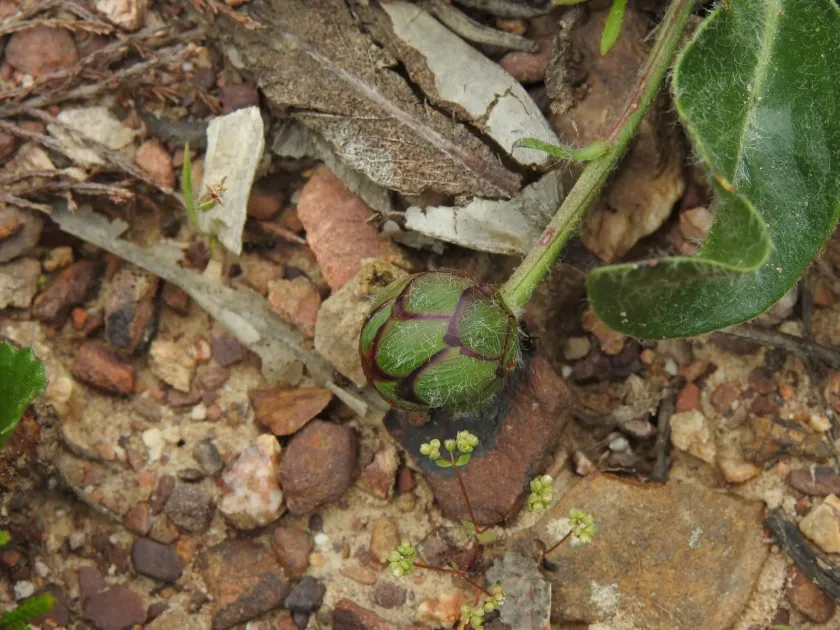
Description
Growing requirements
Rhaponticoides fraylensis is a perennial herbaceous plant belonging to the Asteraceae family. Previously classified under the genus Centaurea, it has been reclassified to a distinct genus that is highly specialized for specific environmental niches.
The native range of this species is located in the Mediterranean region. It thrives in well-drained, stony, or sandy soils with neutral to slightly alkaline pH levels, reflecting its evolutionary history in sun-drenched and arid Mediterranean habitats.
Climate requirements for this plant are centered on high light intensity. It is an obligate heliophyte, meaning it requires full sun exposure and fails to thrive in shaded areas or environments with excess soil moisture, which poses a high risk of root decay.
Botanically, the species is characterized by a strong taproot system that facilitates efficient water uptake from deep soil layers. The foliage is typically pubescent, an adaptation designed to reduce transpiration rates and protect the plant against heat stress.
The main agricultural and economic uses include ornamental gardening in dryland settings and usage as a pollinator-friendly plant. Its resilience to low-nutrient soils makes it a viable candidate for land restoration projects.
Main diseases and pests
The primary threats to this plant are fungal pathogens, which proliferate in environments with poor ventilation or high humidity, leading to issues such as powdery mildew and root rot.
Pests typical of the Asteraceae family, such as aphids and various leaf-feeding insects, can cause significant damage to young shoots, particularly during periods of intense vegetative growth.
A rigorous approach to soil drainage is essential for disease management, as maintaining the correct moisture balance is the most effective preventative measure against root-related infections.
Integrated pest management (IPM) practices should be implemented to control aphid populations without disrupting the delicate balance of the local pollinator community.
Careful weeding is required during the early stages of plant development, as the species may struggle to compete for resources against aggressive, fast-growing invasive weeds.