
Rhaponticoides carrissoi
Rhaponticoides carrissoi
Description
Growing requirements
Rhaponticoides carrissoi is a perennial herbaceous plant belonging to the Asteraceae family. This species is an endemic plant with a highly localized distribution range found specifically within certain regions of Portugal, making it a subject of conservation interest rather than commercial agriculture.
The species is evolutionarily adapted to the Mediterranean climate, characterized by warm, dry summers and mild winters. It typically thrives in open habitats where it receives significant exposure to sunlight, which is necessary for its development and the maturation of its inflorescences.
In terms of soil requirements, the plant demands well-drained, porous substrates. It is particularly sensitive to waterlogging, meaning that soil aeration and efficient drainage are vital components for its growth. The species often colonizes sites with specific nutrient profiles that are not typically managed for industrial crops.
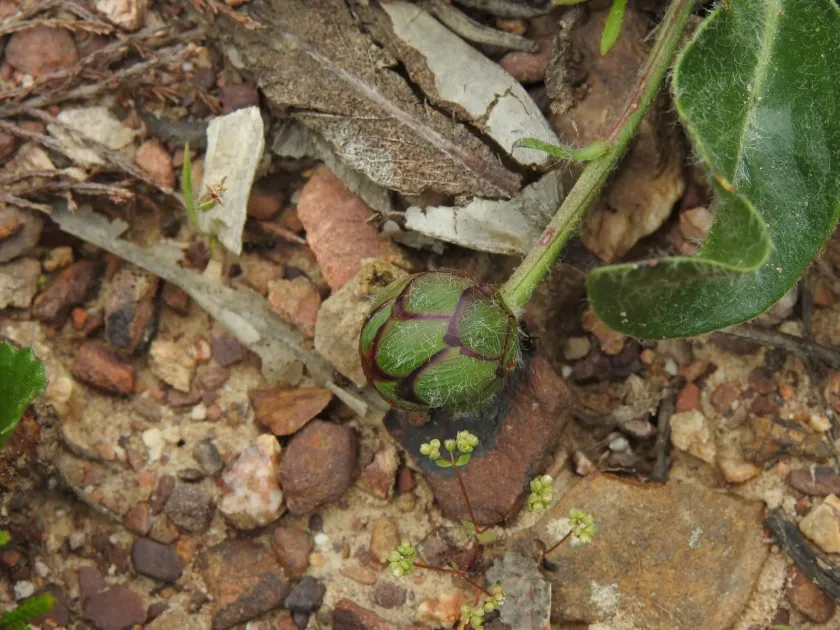
Botanical traits of this plant include a robust rosette leaf structure and specialized flowers adapted for pollination in specific environmental niches. The foliage often features dense trichomes, a structural adaptation that helps the plant regulate transpiration and mitigate the effects of intense solar radiation.
The economic use of Rhaponticoides carrissoi remains strictly academic and environmental. It is not currently utilized as an agricultural commodity; instead, research efforts are focused on habitat protection and ex-situ conservation to ensure the species' survival within its fragile native ecosystem.