
Rhaponticoides centaurium
Rhaponticoides centaurium
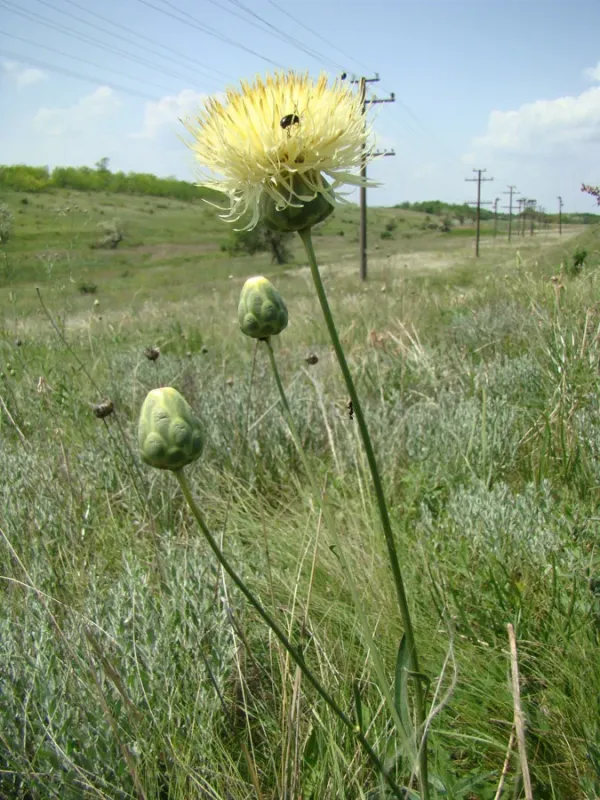
Description
Growing requirements
Rhaponticoides centaurium is a perennial herbaceous plant belonging to the Asteraceae family. Known for its specific phytochemical profile, it is increasingly being studied for its potential applications in the pharmaceutical and herbal medicine sectors.
Originating from Mediterranean regions, the plant is well-adapted to warm, dry climates. It thrives in well-drained, alkaline soils and requires a high level of sun exposure to maximize the development of its vegetative components.
Regarding soil requirements, the plant prefers sandy or loamy textures that prevent water stagnation. Excessive moisture is a critical limiting factor that can inhibit growth and promote root decay, making soil preparation essential for success.
Botanically, the plant features robust growth habits with structured floral heads. Its adaptation to arid conditions makes it a resilient candidate for sustainable crop systems, particularly in regions prone to seasonal water shortages.
The primary agricultural interest lies in its utilization as a raw material for secondary metabolite extraction. Its unique biological properties are highly valued in modern scientific research for potential therapeutic use.
Main diseases and pests
The most significant threats to Rhaponticoides centaurium are fungal pathogens, specifically those causing crown rot or powdery mildew, which often occur if the crop is planted in areas with poor ventilation and high humidity.
Insect pests such as aphids and spider mites are common adversaries. They attack the foliage, which can significantly reduce the overall biomass and quality of the harvest if left unmanaged during the peak growth stages.
Crop management should prioritize soil health and adequate spacing to ensure proper airflow, which serves as the first line of defense against many common plant diseases in this family.
Monitoring for pest outbreaks is crucial during the early stages of development. Integrating biological control methods is encouraged to maintain the ecological balance and preserve the quality of the raw material.
- Avoid heavy, water-logged soils.
- Implement proper spacing for air circulation.
- Monitor regularly for spider mites.
- Rotate crops to avoid soil-borne pathogens.
- Use professional-grade soil drainage solutions.