
Praxelis diffusa
Praxelis diffusa
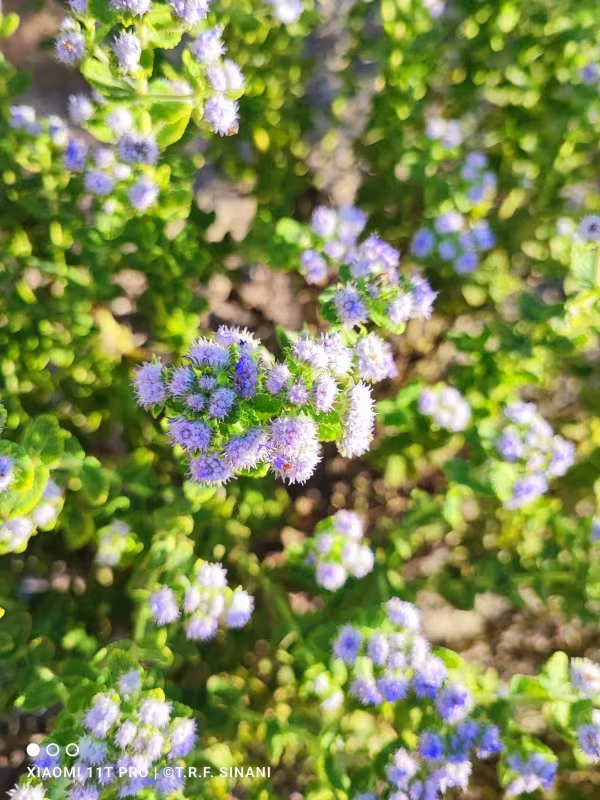
Description
Growing requirements
Praxelis diffusa is a perennial herbaceous plant belonging to the Asteraceae family. It is widely recognized as a problematic invasive species due to its aggressive growth patterns and ability to colonize diverse landscapes.
Originally native to South America, the species has successfully spread to various regions across the globe. Its rapid expansion is largely attributed to its effective seed dispersal mechanisms and high ecological adaptability.
The plant features glandular, hairy stems and small composite flower heads that produce numerous wind-dispersed seeds. These botanical characteristics enable it to establish populations quickly in disturbed areas, pastures, and agricultural fields.
It thrives in well-lit environments and demonstrates remarkable tolerance to different soil types. This resilience makes it a persistent threat to crop productivity, as it competes intensely with cultivated crops for nutrients, water, and sunlight.
Effective management is crucial in agricultural settings to prevent yield loss. Growers must implement preventive measures, including regular scouting and rapid response to eradicate new occurrences before the plant enters the reproductive phase.
Main diseases and pests
Control of Praxelis diffusa relies primarily on chemical and mechanical interventions. Since there are few natural enemies that effectively limit its spread, integrated weed management is the standard strategy for agricultural producers.
Ongoing research focuses on understanding the plant's life cycle to improve the timing of herbicide applications. Preventing the accumulation of a soil seed bank remains the most critical factor in long-term control of this invasive weed species.