
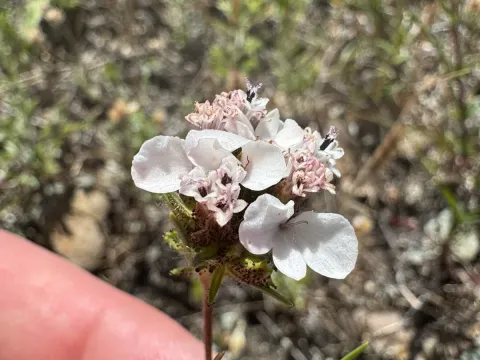
Calycadenia
Calycadenia
Calycadenia is a genus of annual herbaceous plants belonging to the Asteraceae family. Native to western North America, particularly California, these plants are well-adapted to Mediterranean-type climates, characterized by wet winters and long, dry summers.
What the section contains
Calycadenia
Botanically, Calycadenia species are often distinguished by glandular hairs that give them a sticky texture. They typically feature composite flower heads that range in color from white to yellow, often with distinctive patterns that aid in pollination.
Cultivation requirements focus on providing well-drained, porous soils. Calycadenia thrives in rocky or sandy substrates and is highly intolerant of waterlogged conditions. The site must receive full sunlight for optimal growth and development.
In terms of climate, the species requires warm conditions and can withstand significant heat stress. It is a drought-tolerant plant that utilizes deep taproots to access moisture deep within the soil profile, making it suitable for regions with irregular rainfall patterns.
Agricultural management involves maintaining low planting density to prevent the spread of diseases. While it is not a traditional commodity crop, its resilience makes it an interesting subject for studies on sustainable land use and xeriscaping.
The primary threats to Calycadenia cultivation are fungal diseases, particularly powdery mildew, which thrive in humid or poorly ventilated conditions. Root rot is also a major concern if the soil drainage is inadequate during the growing season.
Pest pressures primarily come from sap-sucking insects like aphids and various beetle larvae that target the flowering structures. These pests can significantly impact seed viability and overall plant health if left unmanaged during critical growth stages.
Effective management strategies include proper spatial arrangement to ensure air circulation and strict control of irrigation levels. Avoiding overhead watering is crucial to keeping the foliage dry and preventing fungal pathogen colonization.
Biological and chemical control measures should be implemented only after thorough scouting. Utilizing integrated pest management (IPM) practices, such as encouraging beneficial predatory insects, is a preferred method for sustainable production.
Because these plants are adapted to harsh, low-nutrient environments, they are generally robust. However, under intensive cultivation, monitoring for localized pest outbreaks is essential to protect the flowering success of the crop.