
Plecostachys serpyllifolia
Plecostachys serpyllifolia
Description
Growing requirements
Plecostachys serpyllifolia is an ornamental perennial plant belonging to the Asteraceae family. Originating from the southern regions of Africa, this species is well-adapted to harsh, sunny environments and rocky terrains where other plants struggle to thrive.
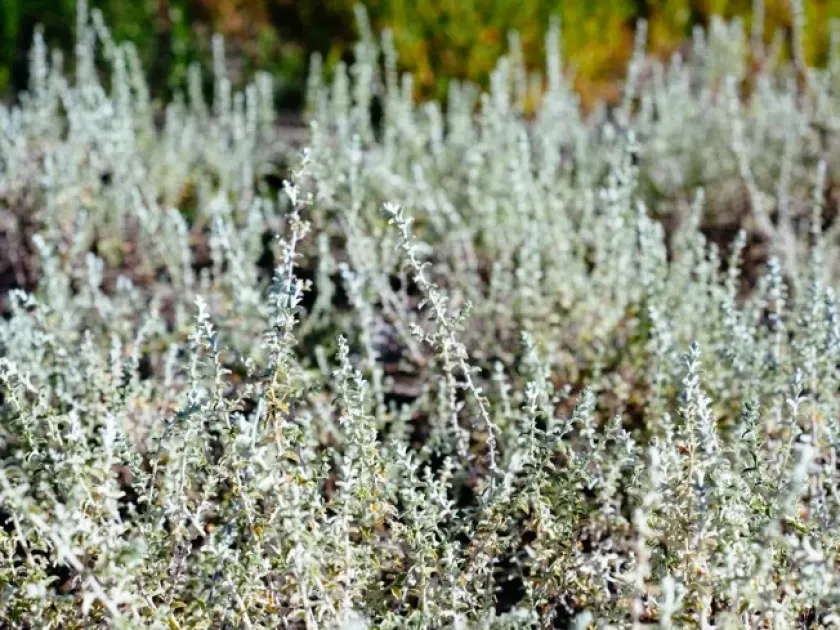
The plant is highly valued for its dense, silvery-white foliage, which creates a striking visual contrast in garden borders and rockeries. Its small, thyme-like leaves are covered in fine hairs that help the plant retain moisture and withstand intense solar radiation throughout the growing season.
To successfully grow this species, it is essential to provide well-draining, sandy, or gritty soil. The species is highly sensitive to root rot, so ensuring that the planting substrate is loose and free from water accumulation is the most important agronomic consideration.
Sunlight requirements are absolute; Plecostachys serpyllifolia demands full exposure to direct sun for at least six to eight hours daily. Sufficient light intensity is necessary to maintain the vibrant silver coloration of the foliage and to prevent the plant from becoming leggy.
Regular maintenance involves light pruning to manage its spreading growth habit. By trimming the stems after the main flowering phase, gardeners can encourage denser branching, which helps maintain the plant's characteristic compact, cushion-like structure over time.
Main diseases and pests
The most common threat to this plant is fungal infection, particularly crown rot, triggered by poor drainage or overly humid conditions. Avoiding overhead watering is a key strategy to prevent water from lingering on the foliage and creating a breeding ground for pathogens.
Pests such as aphids and spider mites can occasionally affect the plant, especially in low-ventilation environments or greenhouses. These insects target the soft new growth, leading to stunted development and yellowing leaves if left untreated.
Powdery mildew is a common concern during humid, stagnant weather conditions. The development of a white fungal layer on the leaves often signals the need for improved air circulation and, if necessary, an application of appropriate systemic fungicides.
Root nematodes represent a more severe, albeit less frequent, challenge in soil-grown plants. Ensuring that the site is well-prepared and that high-quality, pest-free planting materials are used serves as the primary line of defense against soil-borne issues.
Implementing an integrated pest management strategy, which includes regular monitoring and maintaining optimal plant spacing, is essential for long-term health. Keeping the environment clean and removing any dead plant material helps to significantly reduce the risk of future outbreaks.