
Platycarpha carlinoides
Platycarpha carlinoides
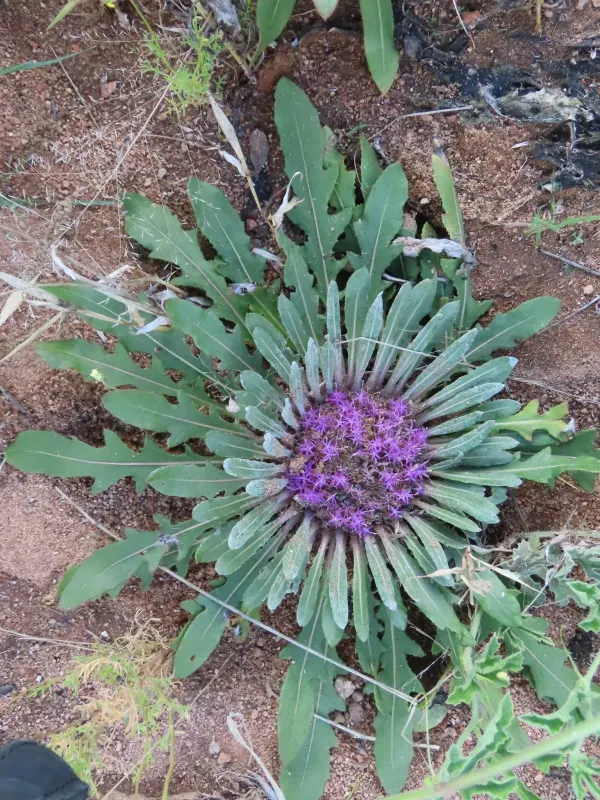
Description
Sowing dates
Platycarpha carlinoides is a perennial herbaceous plant belonging to the Asteraceae family. Propagation is primarily carried out via seeds, which require specific conditions for optimal germination success.
It is recommended to sow the seeds in early spring, using a well-draining seed-starting mix. A light covering of soil is necessary, as the seeds respond well to a combination of warmth and indirect light.
Maintaining a constant moisture level during the germination phase is essential. Stratification of seeds for several weeks in a cold environment often increases the germination rate significantly.
Once seedlings have developed their first true leaves, they can be transplanted into larger pots. Careful handling of the root ball is crucial to prevent transplant shock in this delicate species.
For outdoor sowing, ensure the frost period has completely passed. The plant thrives in well-prepared beds with good soil structure that supports early root development.
Growing requirements
Native to Southern Africa, this plant is adapted to arid and semi-arid conditions. It requires full sunlight to achieve its maximum potential and maintain its compact, characteristic growth habit.
The soil must be sandy or loamy with excellent permeability. Heavy soils that retain excessive water are detrimental to the root health of Platycarpha carlinoides and should be amended with organic matter or grit.
Irrigation should be managed to mimic natural cycles of wetting and drying. Overwatering is the most common cause of failure in cultivating this species, often leading to rapid root decay.
The species prefers a neutral pH environment. Regular application of a balanced, low-nitrogen fertilizer can assist in foliage health and overall plant vigor during the peak growing season.
Proper spacing between plants is required to ensure adequate airflow. This prevents the accumulation of humidity around the leaf base, which is a major environmental stressor for the plant.
Main diseases and pests
Root rot caused by Phytophthora or Pythium species is the most significant threat to this crop. Maintaining proper drainage and avoiding waterlogged conditions is the primary preventive measure.
Aphids can cause damage by feeding on young, tender leaves. Regular scouting and the use of insecticidal soap or neem oil are effective in managing pest populations before they cause structural damage.
Powdery mildew can occur in stagnant, humid environments. Ensuring proper plant spacing and applying preventative fungicides during periods of high humidity are key agronomic strategies.
Viral infections may be transmitted by insect vectors. Maintaining a clean field free of reservoir weed species is important to protect the health of the primary crop.
Soil-borne pathogens represent a persistent risk. Implementing a rotation strategy where the plant is not grown in the same spot for successive seasons helps reduce the pathogen load.