
Plagius grandis
Plagius grandis
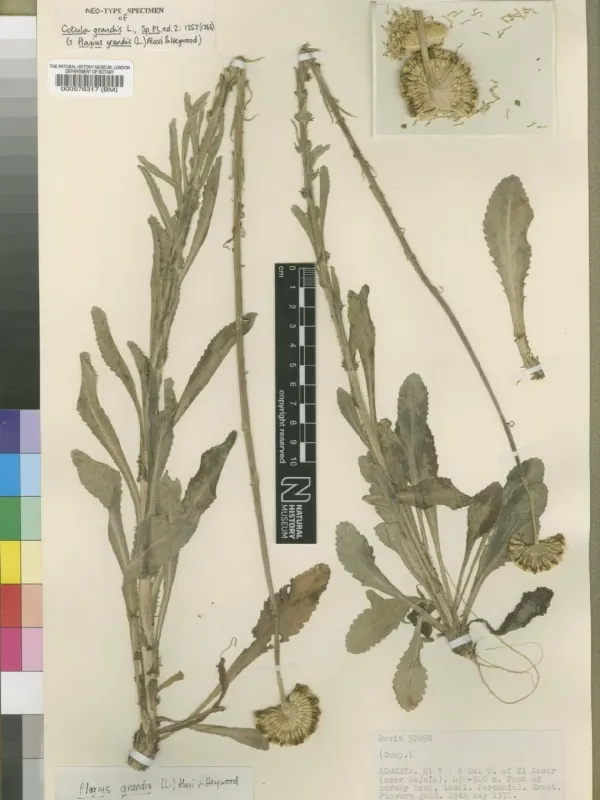
Description
Sowing dates
Sowing of Plagius grandis should typically begin in early spring once the soil has warmed up sufficiently. The ideal window for direct outdoor sowing ranges from late April to mid-May, allowing the plant enough time to establish a strong root system before the heat of summer arrives.
For more predictable results, a seedling method is often preferred. Seeds are sown in containers indoors during March, requiring supplemental lighting and controlled temperatures around 18–20 degrees Celsius to ensure healthy and vigorous early development.
When sowing, it is crucial to plant the seeds at a shallow depth, approximately 0.5 to 1 cm. Because these seeds are small, they require adequate light exposure and consistent moisture to break dormancy and trigger successful germination.
After the seedlings emerge and develop their first true leaves, they should be thinned or transplanted. Providing a spacing of 30–40 cm between individual plants is essential for airflow and reducing competition for soil nutrients and light.
Transplanting hardened seedlings into their permanent location should only take place after the risk of frost has passed. Well-prepared and gradually acclimated seedlings will exhibit faster establishment and a more robust flowering period in the garden landscape.
Growing requirements
Plagius grandis thrives in locations that provide plenty of direct sunlight throughout the day. While the plant can tolerate partial shade, full sun exposure is necessary to ensure the most vibrant blooms and compact, healthy growth habits.
The species prefers light, well-draining soil types with a neutral to slightly acidic pH. Avoid planting in heavy, water-logged clay soils, as poor drainage is the primary cause of root-related stress and potential failure in this specific culture.
Consistent irrigation is vital, particularly during the peak growing season and throughout the critical flowering phase. However, care must be taken to prevent standing water at the base of the plant to avoid crown rot and other moisture-related issues.
Periodic fertilization with a balanced mineral complex will significantly enhance plant vigor and blooming performance. Applying nutrients at the onset of active growth and once again during the mid-season helps sustain the plant's structural integrity.
Regular maintenance of the planting site includes frequent weeding and soil aeration. Keeping the base of the plant clear of competing vegetation allows for better access to nutrients and prevents the accumulation of excess humidity around the foliage.
Main diseases and pests
The most common disease affecting Plagius grandis is powdery mildew, which is often encouraged by high humidity and poor air circulation. This fungal infection manifests as a white, dusty layer on the leaves, which can severely impact photosynthesis if left untreated.
Insect pests such as aphids and spider mites frequently target the tender shoots and developing flower buds. Prompt identification and the application of targeted insecticides are necessary to prevent these pests from spreading and causing structural damage to the plant.
Disease prevention strategies should center on maintaining optimal plant density and avoiding overhead watering. Removing diseased foliage immediately after detection helps limit the spread of spores and keeps the surrounding plant population healthy.
Gastropods, such as slugs and snails, can cause significant damage to young seedlings during damp spells. Utilizing protective barriers or organic molluscicides around the perimeter of the bed can effectively safeguard vulnerable plants from these common garden invaders.
Adopting an integrated pest management plan, which combines cultural practices with periodic inspections, is the most effective way to protect Plagius grandis. Monitoring the health of the plants regularly ensures that interventions can be applied before damage becomes irreversible.