
Plagius flosculosus
Plagius flosculosus
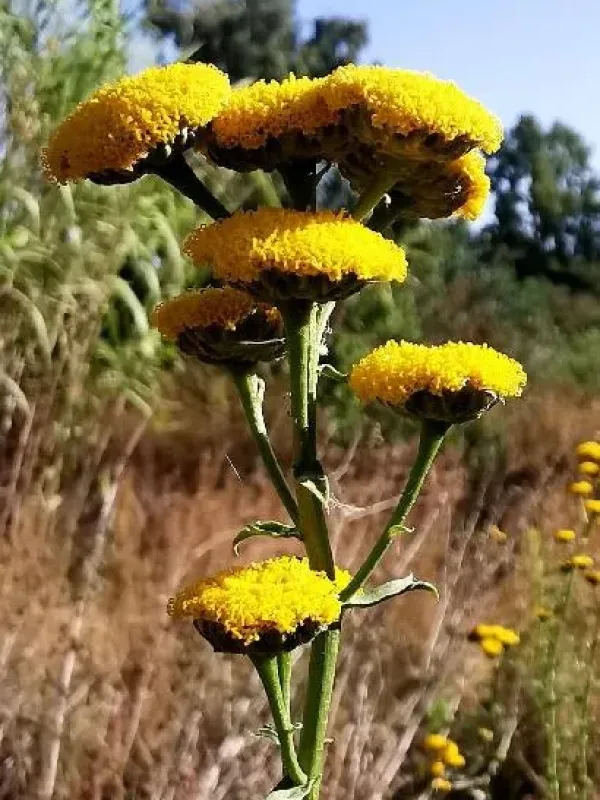
Description
Sowing dates
Sowing Plagius flosculosus is best performed in the spring once the threat of frost has passed and soil temperatures have reached adequate levels. Using the seedling method is recommended to ensure robust plant growth and better establishment in the open field.
Seeds should be sown in a light, well-draining potting mix at a depth not exceeding 1 cm. Maintaining a stable temperature between 18–20 degrees Celsius is crucial for consistent germination across the seed lot.
Once true leaves appear, seedlings should be pricked out into individual containers. This process encourages the development of a strong root system, which is essential for successful adaptation when transplanted to the permanent site.
A hardening-off period of two weeks is necessary before transplanting to ensure seedlings are accustomed to outdoor conditions. This preparation reduces transplant shock and increases the overall survival rate of the crop.
When planting in the field, proper spacing must be maintained to allow for adequate air circulation and nutrient access. This prevents overcrowding and promotes healthier plant architecture.
Growing requirements
Plagius flosculosus, a member of the Asteraceae family, thrives in sunny locations with well-draining soil. It is a light-demanding plant that performs best when exposed to direct sunlight for the majority of the day.
Well-aerated, loamy, or sandy soils are ideal for this crop. It is highly sensitive to waterlogging, so ensuring good drainage is a prerequisite for preventing root-related issues during the wet seasons.
Moderate but consistent moisture is required during the active growing season. While the plant can tolerate short dry spells, supplemental irrigation is necessary to ensure optimal flower production and vitality.
Application of balanced fertilizers, particularly those rich in phosphorus and potassium, will enhance blooming quality. Fertilization should be timed to coincide with the periods of maximum vegetative growth.
Routine weeding and soil cultivation are essential to maintain soil structure and prevent competition from opportunistic invasive species. Keeping the area clean significantly improves plant health.
Main diseases and pests
Fungal pathogens such as powdery mildew represent the primary disease threat, particularly in humid and poorly ventilated conditions. This disease manifests as a white powdery layer on foliage, leading to premature senescence.
Aphids and spider mites are the most common pests that affect the crop. These pests feed on sap, which causes stunted growth, leaf deformation, and a decline in the overall aesthetic appeal of the flowers.
Integrated pest management strategies should be employed, starting with mechanical removal of infested foliage and following up with targeted insecticide applications when thresholds are exceeded.
Disease prevention is largely dependent on proper sanitation and plant spacing. Removing dead plant matter at the end of the season reduces the inoculum potential for subsequent years.
Frequent field scouting is necessary to identify early symptoms of biotic stress. Prompt intervention prevents localized infestations from spreading throughout the entire planting area.