
Pertya scandens
Pertya scandens
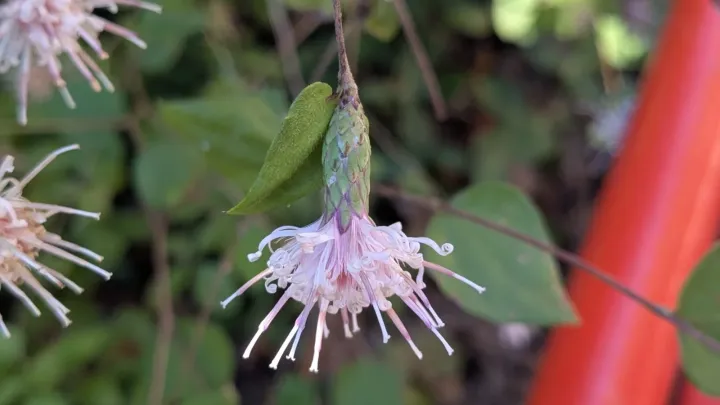
Description
Growing requirements
Pertya scandens is a perennial subshrub belonging to the Asteraceae family. Known for its climbing growth habit, the plant utilizes specialized stems to ascend surrounding vegetation in its native habitats.
The species is primarily distributed across East Asia, including Japan, Korea, and China. It thrives in forest environments that provide natural shade and consistent soil moisture throughout the growing season.
For successful cultivation, the plant requires well-drained, nutrient-rich soil with a slightly acidic to neutral pH profile. Maintaining optimal humidity levels is essential, as the species is sensitive to prolonged drought periods.
Climatic requirements focus on temperate to subtropical zones where frost is minimal. While the plant can tolerate partial shade, exposure to extreme heat can negatively impact leaf development and metabolic processes.
Botanically, the plant is characterized by simple leaves and composite inflorescences common to the sunflower family. Its morphological structure allows it to effectively compete for light in complex, multi-layered plant communities.
Harvesting
Harvesting strategies for Pertya scandens focus on the aerial parts of the plant, which are typically collected when concentrations of secondary metabolites are at their highest level.
The harvesting cycle is usually timed with the flowering phase. This timing ensures that the gathered biomass meets the quality standards required for subsequent industrial processing or pharmaceutical extraction.
Post-harvest techniques emphasize rapid drying to preserve biological activity. Drying rooms must be climate-controlled, ensuring that moisture is removed efficiently without exposing the material to direct thermal stress.
Manual harvesting is common due to the climbing nature of the plant, which makes mechanical harvesting difficult to implement without causing damage to the root system and the next year's crop.
Quality control during harvesting involves removing damaged stems and foreign debris. Proper storage protocols must be strictly followed to prevent microbial contamination and degradation of essential plant compounds.