
Pertya glabrescens
Pertya glabrescens
Description
Growing requirements
Pertya glabrescens is a perennial herbaceous plant belonging to the Asteraceae family. Its natural distribution is primarily found in East Asia, where it thrives in shaded forest environments and woodland clearings.
The plant requires well-drained, nutrient-rich soil to achieve optimal growth. It is essential to ensure that the growing site has adequate moisture retention without the risk of waterlogging, which can be detrimental to the roots.
Regarding climatic conditions, this species prefers temperate, humid climates with protection from harsh, direct sunlight. In a garden setting, it thrives best in partial shade, mimicking the conditions of its native woodland habitat.
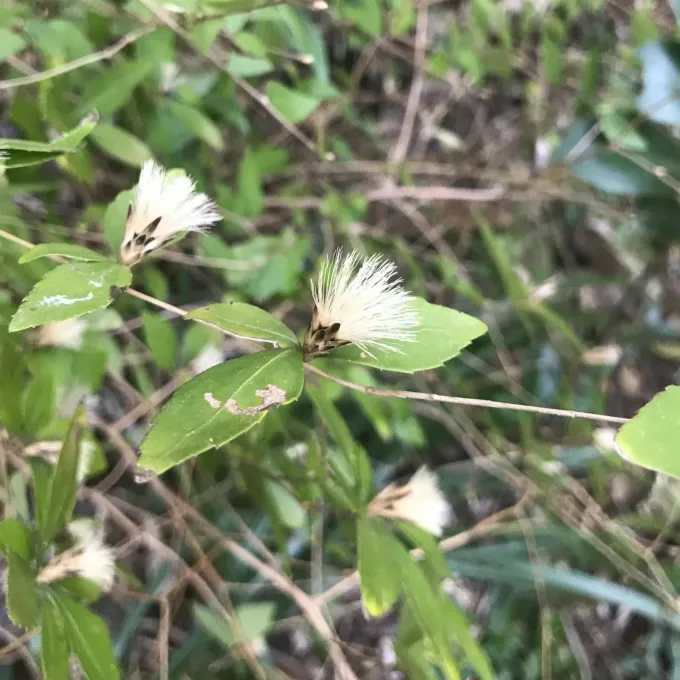
Botanically, it is characterized by its distinct, smooth-surfaced leaves and modest, aesthetically pleasing flowers. Its growth pattern involves forming dense clumps that can expand over time, contributing to soil stabilization.
The plant is highly valued for its secondary metabolites, which are utilized in traditional pharmacology. In modern horticulture, it serves as an excellent plant for woodland gardens due to its low-maintenance nature and elegant appearance.
Main diseases and pests
Fungal diseases represent a significant threat to Pertya glabrescens, particularly in areas with poor airflow or excessive humidity. Ensuring proper spacing between plants is a primary strategy for infection prevention.
Gastropods, such as slugs and snails, are common pests that feed on the succulent leaves of the plant. Using physical barriers such as crushed eggshells or copper tape can help deter these organisms from damaging the foliage.
Powdery mildew can occur during periods of high humidity combined with stagnant air. Applying preventive measures like thinning out dense growth and avoiding overhead watering helps to manage this risk effectively.
Aphids may infest the plant during the early growth stages. Manual removal or the application of horticultural oils is generally sufficient to manage populations without the need for harsh synthetic chemicals.
Overall, the plant demonstrates good resilience when its environmental requirements are met. By maintaining soil hygiene and monitoring for early signs of distress, growers can ensure the long-term vitality of the crop.