
Pericallis hybrida
Pericallis x hybrida (Scheidw.) B. Nord.
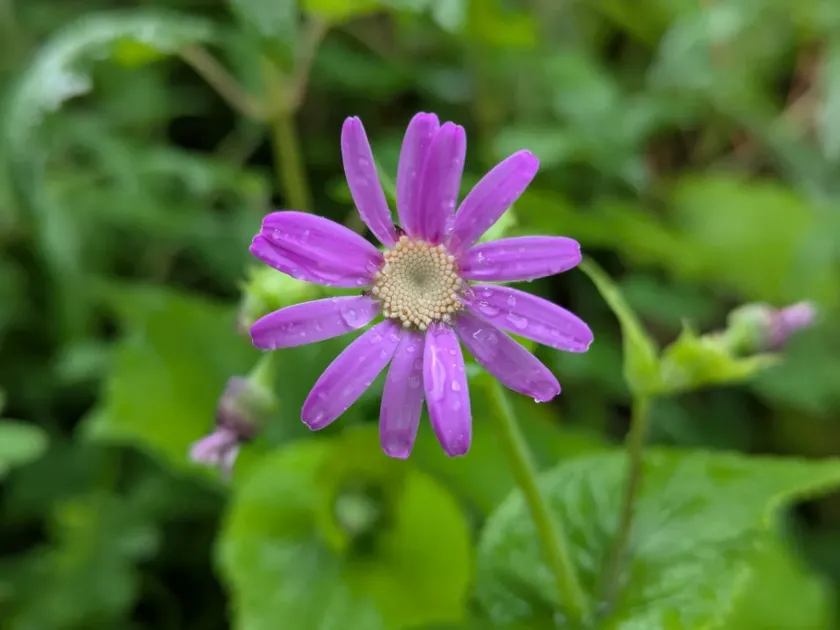
Description
Sowing dates
The sowing of Pericallis hybrida typically occurs in early summer, specifically from June to July. This timing ensures that the plants develop a robust root system and leaf rosette before entering the blooming phase.
Seeds are extremely fine and should be scattered over the surface of a fine-textured, moist potting mix. They require light to germinate and should not be covered with a thick layer of soil.
A constant temperature of 18–20 degrees Celsius is optimal for germination. Covering the containers with clear plastic helps maintain the necessary humidity while the seeds are in their initial growth stages.
Once the seedlings develop two sets of true leaves, they are ready for transplanting into individual small pots. Proper spacing at this stage is crucial for ensuring adequate airflow and plant health.
Maintaining consistent moisture in the growing medium without waterlogging is key to establishing strong, healthy seedlings that will later produce high-quality blooms.
Growing requirements
Belonging to the Asteraceae family, this crop thrives in cooler temperatures. Ideal growing conditions range between 10 and 15 degrees Celsius, as high heat stress often shortens the plant's life cycle.
Pericallis requires bright but diffused light. Direct sunlight exposure should be avoided as it can cause leaf scorch and rapidly degrade the quality of the flowers and overall plant appearance.
A well-draining, nutrient-rich, and slightly acidic to neutral substrate is essential. Providing a consistent source of moisture while ensuring good drainage prevents root-related issues.
Regular fertilization with low-nitrogen, high-potassium formulas during the development phase promotes vibrant and prolonged flowering. Over-fertilization should be avoided to prevent leggy growth.
Humidity management is vital, with an ideal range of 60–70 percent. Adequate air circulation within the greenhouse or growing area is necessary to prevent stagnant conditions that encourage fungal growth.
Main diseases and pests
The most frequent pests affecting this crop include aphids and whiteflies. These insects thrive in dry environments and can quickly compromise the plant's health and aesthetic appeal.
Powdery mildew is a significant threat, especially when air circulation is poor or humidity levels fluctuate drastically. Prevention through proper ventilation and fungicide application is highly effective.
Root rot occurs primarily due to overwatering or the use of heavy, non-draining soil. Once the roots are damaged, recovery is rarely possible, making moisture control the most important preventive measure.
Gray mold, or Botrytis, can affect flowers in high-humidity conditions. Early detection and the removal of affected plant tissues are necessary to stop the spread of fungal spores.
An integrated pest management strategy, including the use of biological controls and maintaining sanitary conditions, is recommended for sustainable greenhouse production of this crop.
Harvesting
The commercial harvest involves moving the fully blooming potted plants to market. The timing is determined by the development of the inflorescences, ensuring the majority of buds have opened.
Quality control during the harvest phase involves ensuring the plants have uniform shape and vibrant foliage, which is essential for satisfying consumer demand for high-quality ornamentals.
Careful handling is required during transport, as the stems and leaves can be delicate. Proper packaging ensures that the flowers arrive in pristine condition for retail sales.
Post-harvest, the production area must be thoroughly cleaned and disinfected to prevent the carry-over of pathogens into the subsequent cultivation cycle.
Efficient scheduling of production cycles allows growers to maximize the profitability of this crop, particularly during peak seasonal demand for flowering plants.