
Pericallis hybrida
Hybrids between Pericallis cruenta and P. lanata
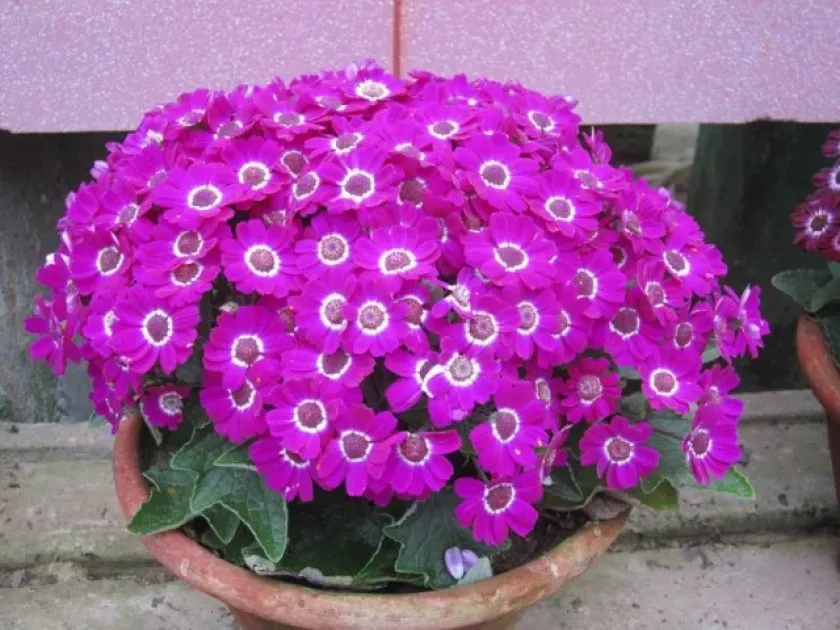
Description
Sowing dates
Pericallis hybrida, belonging to the Asteraceae family, is a popular ornamental crop known for its vibrant flower clusters and compact habit.
Sowing typically occurs in late summer, specifically between June and August, to ensure the plants reach their peak flowering stage in winter or early spring.
The seeds are minute and should be sown on the surface of a fine, moist potting mix without covering them, as they require light to germinate.
Germination requires a consistent temperature of around 20 degrees Celsius, followed by a transition to cooler conditions once seedlings are established.
Transplanting to final containers is essential as the root system develops, ensuring sufficient space for the plant to form a robust, branched structure.
Growing requirements
This crop thrives in cool climates, requiring temperatures between 10 and 15 degrees Celsius for optimal flower development and overall health.
The growing medium must be well-draining yet capable of holding moisture, typically consisting of peat-based substrates with added perlite.
High relative humidity is necessary for the plant to thrive; however, good air circulation is equally vital to prevent the onset of fungal infections.
While the plant requires sufficient light for photosynthesis, it is highly sensitive to intense, direct sunlight which can scorch the foliage.
Regular fertilization with balanced NPK fertilizers is recommended during the vegetative stage, shifting to higher potassium ratios during the budding phase.
Main diseases and pests
Aphids represent the most significant insect threat, often colonizing the undersides of leaves and the growing tips of the stems.
Spider mites can become a major issue in warm, dry environments, causing leaves to lose their healthy green color and eventually wither.
Powdery mildew is the most common fungal disease, typically developing when air circulation is poor and humidity remains consistently high.
Root rot, caused by various soil-borne pathogens, usually arises from poor drainage or excessive irrigation practices in heavy soils.
- Monitoring for pest presence twice weekly during the growing cycle.
- Maintaining a spacing that allows adequate airflow between containers.
- Application of biological control agents where appropriate to minimize chemical use.