
Pericallis cruenta
Pericallis cruenta (Masson ex LʼHér.) Bolle
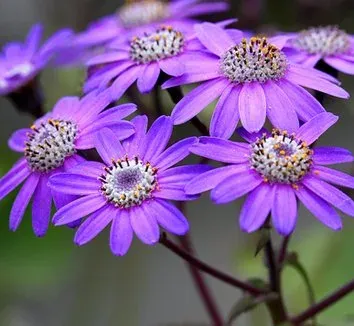
Description
Sowing dates
Pericallis cruenta is typically propagated via seeds in a professional greenhouse environment. Sowing is usually scheduled in late summer to ensure the plants reach their decorative peak during the cooler winter or early spring months.
The seeds are very small and should be sown on the surface of a light, peat-based sterile medium. Keeping the surface moist and maintaining a stable temperature around 20 degrees Celsius is crucial for consistent germination rates across the batch.
Once seedlings have developed their first true leaves, they are pricked out into individual small pots. This spacing allows for proper root development and ensures that each plant receives adequate airflow and light, reducing the risk of stretching.
After the initial establishment phase, the temperature is lowered to encourage a robust and compact habit. This cool treatment is a fundamental aspect of the species' biology, preparing the plant for the future development of floral stalks.
Professional growers often use light manipulation to control the flowering induction, which is vital for meeting specific market deadlines. Consistent monitoring of growth stages during the vegetative period is necessary for high-quality production.
Growing requirements
This species, belonging to the Asteraceae family, requires a cool-climate regime to thrive. The optimal temperature range for development is between 10 and 15 degrees Celsius, as higher temperatures can inhibit flower production and weaken the plant.
The substrate must be well-drained and slightly acidic to neutral in pH. A mixture of peat, perlite, and fine compost provides the ideal balance of water retention and aeration, preventing the root system from becoming waterlogged.
Watering management is critical for Pericallis cruenta. Overwatering is the most common cause of crop failure, as the roots are highly susceptible to rot. Irrigation should be applied moderately, focusing on maintaining consistent but not excessive soil moisture.
Light levels should be high, but direct, intense sunlight can scorch the foliage and cause rapid wilting. In greenhouse settings, shading screens are commonly used during bright afternoons to protect the plants while maintaining enough light for photosynthesis.
Balanced fertilization with a focus on potassium is recommended during the bud formation stage. Providing adequate trace elements, such as iron and magnesium, helps maintain deep green foliage and prevents chlorosis during the rapid growth phase.
Main diseases and pests
Aphids and whiteflies are the primary insect threats to Pericallis cruenta crops. These pests congregate on the underside of leaves and can spread viral diseases, which significantly impact the overall health and ornamental value of the plants.
Powdery mildew represents a significant fungal threat, characterized by a white, flour-like growth on leaves. This disease is exacerbated by high humidity and poor air circulation, making ventilation control a priority for growers.
Grey mold, caused by Botrytis species, thrives in damp, stagnant air. It primarily targets flowers and damaged leaf tissue, leading to rapid tissue decay and requiring immediate isolation and treatment of affected specimens.
Root rot, often associated with waterlogged substrate, can cause sudden wilting and plant death. Using sterilized pots and clean water sources is essential for preventing the introduction of pathogens that target the delicate root system of the crop.
Effective pest and disease management involves a combination of cultural practices, such as proper spacing and humidity control, alongside the targeted use of systemic fungicides and insecticides as part of an integrated protection program.