
Pentanema helenioides
Pentanema helenioides
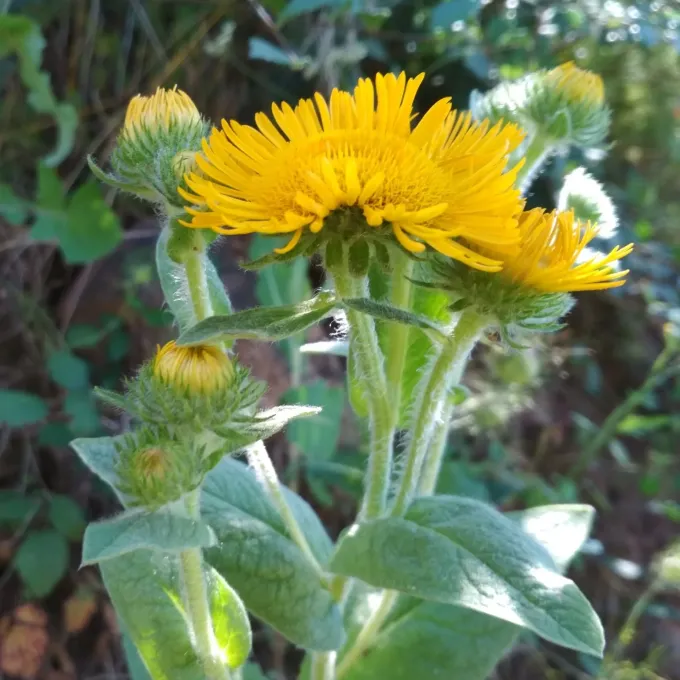
Description
Sowing dates
The sowing of Pentanema helenioides seeds is typically conducted in early spring once the soil temperature is stable. Direct seeding into prepared rows ensures optimal plant density and facilitates subsequent maintenance.
Seeds are placed at a shallow depth to ensure proper germination and light exposure. Ensuring uniform seed distribution is vital for uniform plant development and maximizing field productivity.
Early season weed control is essential for the establishment of the crop. Mechanical cultivation between the rows is recommended to prevent competition for light and nutrients during the early stages of growth.
Optimal spacing should be maintained to allow for adequate ventilation of the plants. Good airflow is critical in preventing the buildup of humidity around the base of the plant, which is common in denser patches.
Irrigation immediately following seeding supports early root establishment. Constant moisture in the top layer of the soil during the germination phase significantly increases the success rate of the planting.
Growing requirements
Pentanema helenioides, a member of the Asteraceae family, thrives in open, sunny environments. Full sun exposure is required to produce high-quality biomass and ensure healthy development.
Well-drained soils are essential for this species. It is highly adaptable to various soil textures, provided that the drainage is adequate to prevent waterlogging, which can be detrimental to the roots.
The plant demonstrates moderate climatic resilience. It prefers temperate zones with well-defined seasons but requires protection against extremely harsh winters and extended periods of water stagnation.
Balanced fertilization with a focus on phosphorus and potassium encourages healthy root growth and plant vigor. Excessive nitrogen application should be avoided as it may compromise the quality of the raw material.
Regular cultivation of the soil surface improves aeration and helps regulate soil moisture. These practices should be performed carefully to avoid disturbing the root zone of the established plants.
Yield
The yield of Pentanema helenioides is highly dependent on effective crop management and soil nutrient availability. Proper timing of the harvest is the primary driver for high quality and yield.
The most valuable phase for harvesting occurs during peak flowering. Harvesting at this time ensures the highest concentration of specialized secondary metabolites within the plant tissues.
Annual yields vary based on environmental conditions and harvest frequency. With proper irrigation and fertilization, the plant can produce multiple cuts within a single growing season.
The longevity of a commercial field typically spans three to five years before declining productivity necessitates replanting. Strategic rotation of plots helps maintain soil fertility and reduce pressure from pests.
Post-harvest processing, including immediate cooling and proper drying, is crucial for maintaining yield quality. Minimizing the time from cutting to drying preserves the chemical integrity of the crop.
Main diseases and pests
Fungal pathogens represent the most significant threat to the crop, especially under conditions of high humidity. Disease management focuses on air circulation and appropriate site selection for planting.
Insects like aphids can cause stress to the plant, potentially leading to stunted growth. Integrated pest management strategies, including monitoring and biological control, are highly effective.
Root rot is a common issue in poorly drained soils. Avoiding low-lying areas and ensuring a slope for drainage are the best preventative measures against soil-borne diseases.
Competitive weeds pose a challenge by suppressing plant growth. Frequent mechanical weeding throughout the season keeps the field clean and allows for better resource utilization by the crop.
Environmental stress factors, such as extreme heat or drought, may increase the susceptibility of the plant to various diseases. Supplemental irrigation is the primary method to mitigate these risks.
Harvesting
Harvesting is performed during dry, sunny weather conditions to ensure the biomass does not spoil during storage. Cutting should occur just as the flowers reach full bloom for maximum efficacy.
Mechanical harvesting equipment must be properly calibrated to ensure a clean cut. Cutting too low can damage the crown, while cutting too high may result in unnecessary loss of biomass.
Immediately after cutting, the harvested material should be transported to a drying facility. Large heaps of wet material should never be left in the sun, as they can heat up and lose quality rapidly.
Drying is performed in shaded, well-ventilated areas or specialized ovens. Maintaining temperatures between 35 and 40 degrees Celsius preserves the plant's essential components and natural color.
Final sorting and packaging are completed once the material has reached a stable moisture content. Proper storage in a cool, dry place ensures long-term stability and market value of the product.