
Pentanema indicum
Pentanema indicum
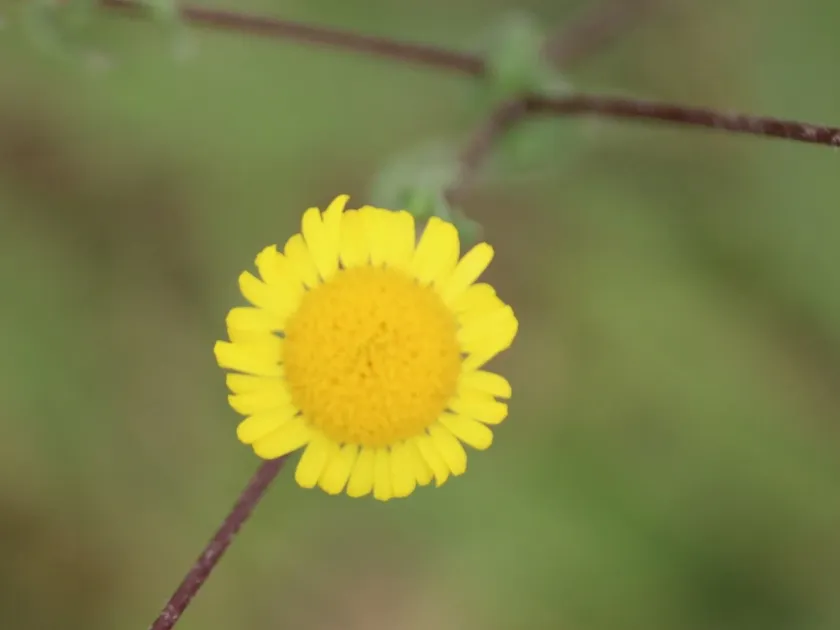
Description
Sowing dates
Sowing of this crop is recommended in the spring period when soil temperatures consistently reach 15–18 degrees Celsius, which promotes optimal germination.
Optimal row spacing should be maintained between 30 and 45 centimeters to ensure adequate airflow and sunlight penetration, which is vital for plant health.
Seeds should be planted at a shallow depth of 1–2 centimeters, as shallow sowing helps small seeds establish quickly in the moist surface layer of the soil.
Immediate irrigation following the sowing process is crucial to guarantee consistent moisture levels, which directly impacts the uniformity of plant emergence.
In regions with cooler spring conditions, utilizing protective covers or greenhouse facilities is advised to maintain a stable microclimate for initial growth stages.
Growing requirements
Pentanema indicum, belonging to the Asteraceae family, thrives in well-lit, sunny environments and prefers fertile, loose soils with neutral pH levels.
While the plant exhibits moderate drought resistance, it requires consistent moisture throughout the growing season to maximize the yield of biomass.
Proper soil drainage is essential for this crop, as waterlogging can cause root decay and negatively impact the overall development of the plant.
The application of organic amendments is highly effective, as it improves the soil structure and provides the necessary nutrients for vigorous plant development.
The plant is best suited for climates with high heat accumulation, which supports the synthesis of essential oils and other secondary metabolites within the leaves.
Yield
The yield of Pentanema indicum is largely determined by the intensity of agricultural management, including timely weeding and nutrient application.
The primary economic product is the harvested biomass, which is utilized for its pharmaceutical and chemical properties in industrial applications.
To maximize production, modern farming practices such as drip irrigation are recommended, as they provide controlled water delivery directly to the root zone.
Harvesting should be timed precisely during the full flowering phase when the concentration of bioactive compounds is at its highest point for extraction.
Consistent maintenance of the field ensures a higher quantity of uniform raw material, which is critical for meeting commercial quality standards.
Main diseases and pests
Fungal diseases, including powdery mildew, represent the primary threat to the crop, especially under conditions of high humidity and poor ventilation.
Pests such as aphids and leaf-eating insects can cause significant damage to young shoots, necessitating proactive monitoring during the vegetative phase.
Implementing a strict crop rotation schedule is the most effective cultural method to prevent the buildup of soil-borne pathogens and pests.
Biological control agents are preferred over synthetic pesticides to maintain the chemical integrity and market value of the harvested plant material.
Sanitation practices, including the removal of infected plant debris, help in isolating potential outbreaks and protecting the surrounding healthy crop population.