
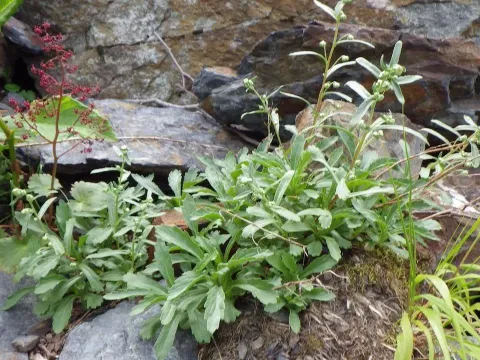
Pedunculate wormwood
Artemisia pedunculosa
Pedunculate wormwood (Artemisia pedunculosa) is a perennial herbaceous plant belonging to the Asteraceae family. It is known for its resilient root system and upright growth habit, which allows it to thrive in diverse environmental conditions typical of its natural range.
What the section contains
Pedunculate wormwood
Originating from mountainous and rocky terrains, this species has evolved to tolerate exposure to high light intensity and variations in soil fertility. It is an excellent candidate for regions where soil conditions limit the growth of more demanding crops.
The plant requires well-drained, porous soils with a neutral pH. Excessive moisture is the primary threat to the plant's health, so site selection should prioritize slopes or well-engineered fields with efficient drainage systems to prevent waterlogging.
Regarding climate, the plant performs best in cool to moderate environments. It is highly resistant to cold spells, making it suitable for high-altitude cultivation where the growing season is relatively short.
The main economic use of this crop is the extraction of biologically active compounds. Its high content of essential oils and aromatic compounds makes it a vital resource for the pharmaceutical and cosmetic industries.
Fungal infections, particularly powdery mildew, are the most common issue in dense plantings. Proper spacing and airflow are the most effective management strategies to mitigate these risks in commercial production.
Aphids and spider mites are typical pests that can infest the foliage, especially during warm and dry periods. Biological control agents are often preferred over chemical applications to maintain the quality of the raw material.
Root rot, driven by stagnant water in the soil, remains a significant threat to plant longevity. Maintaining soil structure and avoiding over-irrigation are critical practices for ensuring healthy plant development.
Weed infestation is a major challenge during the establishment phase of the plantation. Early-stage mechanical cultivation is necessary to provide the seedlings with enough resources to become competitive.
Insects that target the underground parts of the plant can cause sudden wilting. Routine monitoring and crop rotation are essential practices for any serious agricultural operation involving this species.