
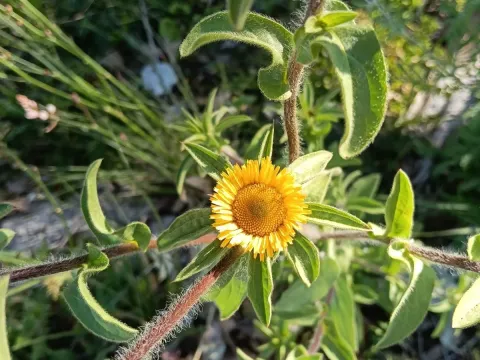
Pallenis spinosa
Pallenis spinosa
Pallenis spinosa is an annual or biennial plant within the Asteraceae family. Sowing is best performed in early spring when soil temperatures reach 10-12°C to ensure stable germination.
What the section contains
Pallenis spinosa
Seedlings can be started in trays or greenhouses approximately 4 to 6 weeks before the final frost date to extend the growing season and promote early flowering.
Seeds should be sown at a shallow depth of 0.5 to 1 cm, as exposure to light is often beneficial for the germination process of these Mediterranean seeds.
Proper spacing is crucial; plants should be thinned or transplanted with sufficient distance to avoid competition for resources during the active growth phase.
Sowing in well-drained, prepared beds promotes the development of a deep taproot, which is essential for the plant's long-term survival in arid conditions.
Originating from the Mediterranean basin, Pallenis spinosa thrives in full sunlight. It is a highly photophilous plant that requires significant sun exposure to produce healthy foliage and flowers.
The plant is adapted to poor, rocky, or calcareous soils. It performs best in well-drained substrates and is highly intolerant of waterlogged conditions that lead to root rot.
As a drought-tolerant species, it requires minimal irrigation once established. It is an ideal candidate for dry-farming practices in regions with semi-arid climates.
The optimal thermal range for development is between 20°C and 28°C. Pallenis spinosa is notably resistant to the intense heat fluctuations common in its native habitat.
Fertilization should be kept to a minimum. Excessive nitrogen inputs often result in weak, sprawling plants that are more susceptible to lodging and pests.
The primary threats to Pallenis spinosa are fungal pathogens, including various forms of root and crown rot, typically encouraged by poor soil aeration and humidity.
Common insect pests include aphids, which colonize young floral shoots, and spider mites, which can cause significant damage during prolonged hot and dry weather cycles.
Slugs and snails can severely impact seedling stands, requiring physical barriers or organic pest management strategies during the early stages of plant development.
Prevention involves ensuring adequate spacing for airflow, which reduces the local humidity levels and inhibits the spread of powdery mildew and other foliar diseases.
Regular monitoring of plant health allows for timely intervention before pest populations reach economic damage thresholds, ensuring the integrity of the crop.