
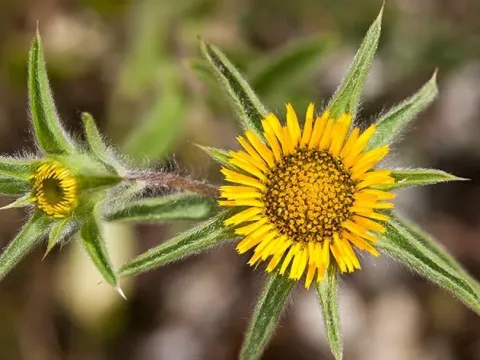
Pallenis
Pallenis
Sowing Pallenis in open ground is best performed in spring once soil temperatures reach at least 10-12 degrees Celsius. For controlled propagation, seeds can be started indoors 6-8 weeks before the last frost date.
What the section contains
Pallenis
The seeds require light for optimal germination, so they should be surface-sown or covered with only a very thin layer of substrate. Consistent moisture is crucial during the initial stages of seedling development.
Spacing between plants should be approximately 25-30 centimeters to ensure sufficient airflow. Overcrowding can lead to excessive moisture accumulation, which poses a significant risk to plant health.
Seeds generally demonstrate high germination rates if kept at a stable temperature of 18-22 degrees Celsius. A light, well-draining soil mix is highly recommended for starting pots.
Once seedlings have developed two sets of true leaves, they should be hardened off before final transplanting. This step is vital to help young plants acclimate to fluctuating temperatures outdoors.
As a member of the Asteraceae family, Pallenis is naturally adapted to sunny, Mediterranean-like environments. The species thrives in locations with full sun exposure for most of the day.
The plant performs best in well-draining, sandy, or rocky soil types. It is highly intolerant of waterlogged conditions, making proper soil drainage a non-negotiable requirement for success.
Pallenis is remarkably drought-tolerant once established. While it needs occasional watering during its first growing season, mature plants can withstand prolonged periods of dry weather.
Soil fertility requirements are relatively low; the plant prefers nutrient-poor soils. Excessive nitrogen fertilization should be avoided as it stimulates foliage growth at the expense of floral production.
A neutral to slightly alkaline soil pH is ideal. In landscape design, the plant is frequently used in rock gardens or xeriscaping where its ability to thrive in harsh conditions can be fully showcased.
Root rot is the most common threat to Pallenis, usually triggered by poor drainage or overwatering. Maintaining a porous, well-drained soil structure is the primary defense against such issues.
Pests like aphids may target the succulent buds during the warmer months. Integrated pest management, including the use of neem oil or insecticidal soap, is effective for early control.
Powdery mildew can occasionally affect the leaves if humidity remains high without adequate air circulation. Keeping the planting area weed-free and ensuring proper spacing are standard preventive measures.
Regular monitoring of the foliage and stem bases is recommended to identify potential infections early. Prompt removal of damaged plant parts often prevents the spread of disease to the rest of the colony.
Excessive humidity combined with high temperatures creates a favorable environment for fungal pathogens. Providing good air drainage is the most effective cultural practice to mitigate these risks.
Harvesting flower heads for decorative or floral use should occur at the peak of bloom. The flowers retain their structure and color well if cut before they fully lose their vibrancy.
For seed collection, leave the flower heads on the plant until they are thoroughly dry and brown. Seeds should be gathered on a dry day to prevent mold during subsequent storage.
Drying for ornamental purposes involves hanging bunches of the stems upside down in a dark, well-ventilated area. This prevents the petals from fading due to direct sunlight exposure.
The longevity of dried specimens depends heavily on keeping the storage environment low in humidity. Properly preserved heads can remain decorative for several months.
Processing the seeds involves gentle hand-threshing once the heads are completely dried. Storing the cleaned seed in a cool, dark, and dry container will ensure maximum viability for the following season.