
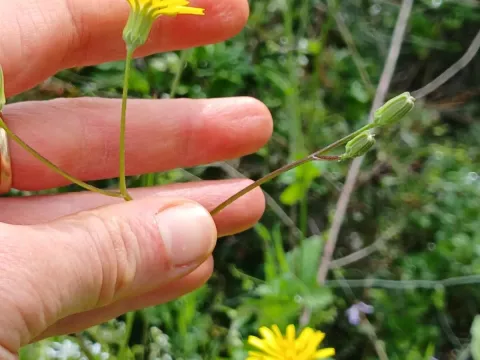
Palestine hawksbeard
Crepis palaestina
Palestine hawksbeard (Crepis palaestina) is an herbaceous plant belonging to the Asteraceae family. This species is native to arid and semi-arid regions, showing a high level of adaptability to harsh environmental conditions.
What the section contains
Palestine hawksbeard
The plant thrives in well-drained, sandy, or light-textured soils. It is particularly valued for its drought tolerance, which makes it a resilient choice for regions facing water scarcity or poor soil quality.
Botanically, it typically develops as an annual, forming a basal rosette of leaves followed by an erect flowering stem. The characteristic yellow flowers appear in typical composite heads, attracting various pollinators throughout the season.
Climatic requirements involve plenty of direct sunlight and warm temperatures. The plant is well-suited to Mediterranean-type climates, where it can utilize early spring moisture to establish its root system before the dry summer heat.
Agricultural management requires minimal intervention in terms of soil amendment. However, ensuring good aeration and avoiding waterlogging is essential to prevent physiological stress and maintain healthy vegetative growth.
Major threats to Crepis palaestina include fungal infections such as powdery mildew, especially during seasons with unexpected high humidity levels. Proper spacing is crucial to allow air circulation through the canopy.
Pests such as aphids represent a recurring problem, as they tend to cluster on the developing buds and younger leaves. Early detection is key to preventing the spread of these insects throughout the crop field.
Cutworms and other soil-borne larvae can cause significant damage to the plant base during the early growth stages. Cultivation practices should focus on creating a hostile environment for these pests while protecting the crop.
Preventative measures include the use of clean seeds and maintaining a strict weed management program. Weeds often serve as alternative hosts for pests and diseases that can quickly spread to the main crop.
In cases of severe infestation, integrated pest management (IPM) strategies are recommended. These strategies prioritize cultural control and biological agents to maintain field health without excessive reliance on synthetic chemicals.