
Pallenis hierochuntica
Pallenis hieroshuntica
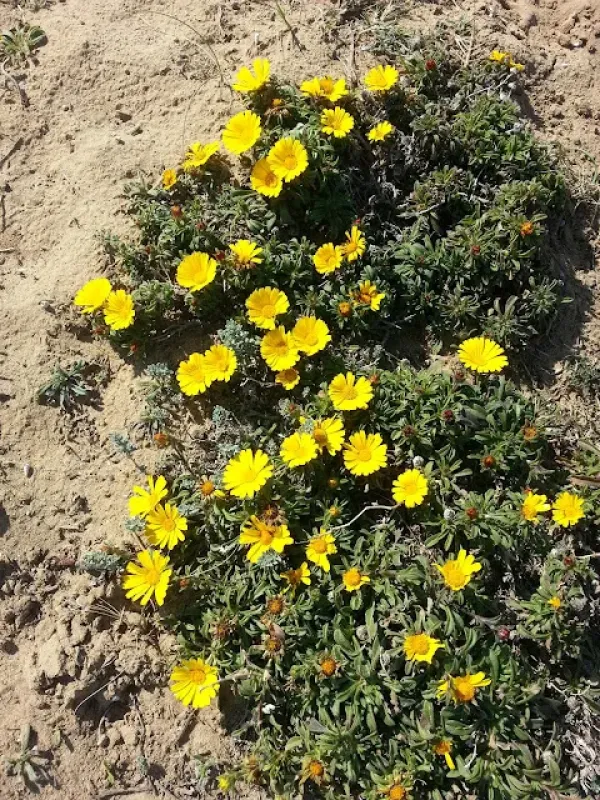
Description
Growing requirements
Pallenis hierochuntica is an annual herbaceous plant belonging to the Asteraceae family. It is native to the arid regions of the Middle East and North Africa, where it has evolved to thrive in harsh desert climates with minimal water availability.
The cultural requirements for this plant demand high levels of sunlight and well-drained, nutrient-poor soil. Sandy or rocky substrates are ideal to simulate its natural habitat and prevent root moisture accumulation.
A distinctive botanical feature is its hygroscopic nature, where flower heads close tightly during periods of extreme dryness to protect the seeds and open when moisture is present to allow for seed dispersal in the desert soil.
In a horticultural setting, the plant requires very little care. Providing excess water or organic fertilizers will typically cause the plant to struggle, as it is highly specialized for low-nutrient environments.
The primary agricultural and commercial use is in the floral industry as a dried ornamental. Its ability to retain its structure and unique form makes it a sought-after component for dry floral arrangements and xeriscaping projects.
Main diseases and pests
The primary threat to Pallenis hierochuntica in cultivation is root rot, which is almost exclusively caused by overwatering or soil that retains moisture for too long. Maintaining a dry root zone is critical.
Pests such as spider mites and aphids may occur in greenhouse settings, particularly when ventilation is poor. These pests can weaken the plant and diminish its aesthetic quality, which is its main commercial value.
To prevent disease, it is essential to ensure maximum airflow and choose a mineral-based substrate that allows for rapid drainage. Avoid planting in densely packed areas where stagnant air could encourage fungal growth.
Biological control methods are preferred for managing minor infestations. If chemical intervention is necessary, systemic pesticides should be used with caution to avoid damaging the plant's physiological balance.
Ongoing monitoring of the plant's health is necessary to detect early signs of physiological stress, such as yellowing leaves, which often serve as the first indicator of improper moisture management.