
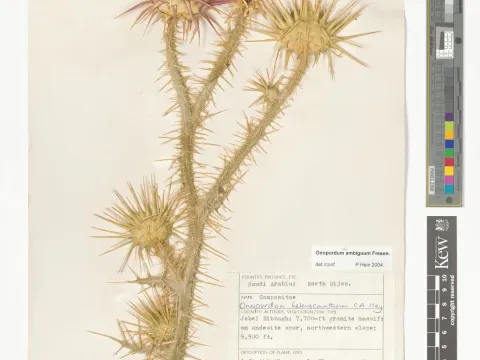
Onopordum ambiguum
Onopordum ambiguum
Onopordum ambiguum is a biennial plant, requiring a specific development cycle over two seasons. Sowing is typically performed in the spring once the soil temperature reaches a consistent 10-12 degrees Celsius to ensure uniform emergence.
What the section contains
Onopordum ambiguum
In regions with milder winters, autumn sowing is an option, allowing seeds to undergo natural stratification within the soil profile. This process promotes more vigorous rosette development early in the following spring season.
Maintaining proper spacing is essential; rows should be set 60-70 centimeters apart to prevent inter-plant competition. Proper spacing ensures sufficient airflow, reducing the risk of fungal development within the crop canopy.
Seeds should be sown shallowly, at a depth of 1-2 centimeters. Deep planting can inhibit germination because the seeds require adequate light exposure to trigger biological development processes effectively.
Using high-quality, pre-cleaned seed lots with high germination energy is vital for establishing a productive crop. Proper seed bed preparation, including fine-tilth soil, significantly improves initial survival rates.
This crop is highly light-dependent, thriving best in full sun. Exposure to direct sunlight is crucial for biomass development and, most importantly, for maximizing the nectar production required for honey production.
Onopordum ambiguum prefers light, well-draining soils such as sandy loams. Waterlogged conditions are detrimental and often lead to root rot; therefore, selecting sites with good natural drainage is a prerequisite for success.
The plant exhibits remarkable drought tolerance, supported by a robust taproot system that reaches deep into the soil. This trait makes it a suitable candidate for cultivation in arid or semi-arid climatic zones.
The ideal soil pH for this species ranges from 6.5 to 7.5. In acidic soils, plant vigor is noticeably reduced, making liming a necessary soil amendment if the natural pH falls below the optimal range.
Balanced fertilization, particularly with potassium and phosphorus, supports overall plant health and resilience. While the plant does not require heavy nitrogen loads, moderate fertility levels improve the flowering duration and nectar quality.
The primary agricultural application for Onopordum ambiguum is as a premium honey plant. Its extensive bloom period provides a reliable and high-quality nectar source for apiaries during the peak of the summer season.
Medicinal utilization is a significant secondary goal. The leaves and flowering heads are harvested for various bioactive compounds, making it a valuable crop for producers in the herbal medicine and pharmaceutical industries.
Honey yield is highly climate-dependent, fluctuating based on rainfall and temperature patterns during the flowering phase. Warm, dry weather conditions generally promote the highest nectar secretion rates in these plants.
Beyond commercial output, the plant serves an ecological role as a powerful pollinator attractor. Increasing the presence of such plants in the landscape enhances the biodiversity of the surrounding agricultural ecosystem.
Efficient management practices allow growers to achieve significant yields of both biomass and reproductive structures, creating a diverse revenue stream that justifies the investment in cultivation inputs.
Fungal diseases like rust and powdery mildew are the most significant threats, especially during periods of high humidity. Proactive measures include thinning out dense patches and ensuring adequate spacing between rows.
Pests such as aphids and various weevil species may damage buds and developing leaves. Regular field monitoring is necessary to identify early infestations and apply appropriate integrated pest management strategies if needed.
Root rot is prevalent in fields with poor drainage systems. Avoiding low-lying areas that collect water is the most effective way to prevent these soil-borne issues from impacting crop health.
Weed management is critical during the initial establishment phase. As a relatively slow starter in the first few weeks, the plant is susceptible to competition from faster-growing weeds and requires timely weeding.
Crop rotation is essential for maintaining soil health. Avoiding planting this species on the same field for at least three to four years helps to break the life cycle of common soil-borne pathogens.
Medicinal harvesting is performed during the peak flowering phase. Collectors should harvest the flowering heads along with the adjacent upper leaves during a dry, sunny day to ensure optimal quality and moisture content.
Drying must occur in shaded, well-ventilated areas to prevent degradation of heat-sensitive compounds. A controlled drying process is crucial to maintain the potency and efficacy of the final herbal product.
For seed collection, growers wait until the flower heads turn brown and begin to dry out. Timing is critical, as the seeds are wind-dispersed; harvesting must happen just before natural shedding begins.
Once harvested and threshed, seeds should be cleaned and stored in breathable containers, such as paper or cloth bags, in a cool and dry environment to preserve their long-term germination viability.
Post-harvest residues can be composted or used for mulch in other parts of the property, provided there is no evidence of widespread disease on the plants, ensuring that the soil remains productive for future crops.