
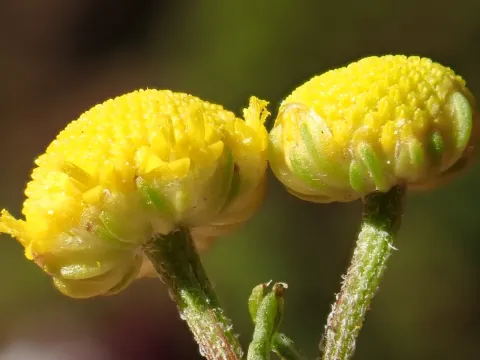
Oncosiphon
Oncosiphon
Oncosiphon is a genus of herbaceous plants belonging to the Asteraceae family, native primarily to arid regions of South Africa. It is a highly specialized xerophyte, adapted to harsh environmental conditions where water availability is limited and soils are nutrient-poor.
What the section contains

Oncosiphon
The plant is characterized by finely dissected foliage and small composite flower heads that release a distinctive fragrance when crushed. These aromatic properties are tied to the presence of secondary metabolites, which often contain valuable essential oils that are of interest to the pharmaceutical and cosmetic industries.
Optimal growth requires full sun exposure and well-drained, porous soil structures. Oncosiphon is highly sensitive to waterlogging; therefore, cultivation sites must be selected with excellent drainage properties to prevent root decay and ensure long-term plant survival.
The plant thrives in moderate to high-temperature environments. It is naturally equipped to handle diurnal temperature fluctuations, making it a potentially resilient crop for regions characterized by semi-desert or rugged landscape conditions.
In modern agriculture, the utilization of Oncosiphon is currently focused on medicinal applications. Researchers are actively studying its phytochemical profile to develop standardized extracts for anti-inflammatory and antiseptic products, highlighting its value as a niche commercial crop.
The primary threats to Oncosiphon health are fungal pathogens, specifically those causing root rot in waterlogged or poorly ventilated soils. Implementing strict moisture management protocols is essential to keep the crop healthy and productive throughout its growing cycle.
Aphid infestations present a major challenge, as these pests target succulent new growth and can significantly stunt plant development. Effective pest management strategies, including biological controls or targeted treatments, are required to mitigate potential yield losses.
Spider mites are another common concern, especially during prolonged dry periods or in environments with low airflow. These pests can rapidly colonize leaf surfaces, causing chlorosis and reducing the photosynthetic capacity of the plant.
Weed management is critical during the establishment phase, as Oncosiphon possesses low initial competitiveness against fast-growing invasive weeds. Mechanical weeding or careful site preparation prior to sowing is necessary to protect the young crop from resource deprivation.
To ensure sustainable yields, farmers should practice proper crop rotation. By alternating Oncosiphon with non-host species, growers can significantly reduce the build-up of specific soil-borne pathogens and pests, ensuring the longevity of the land usage.