
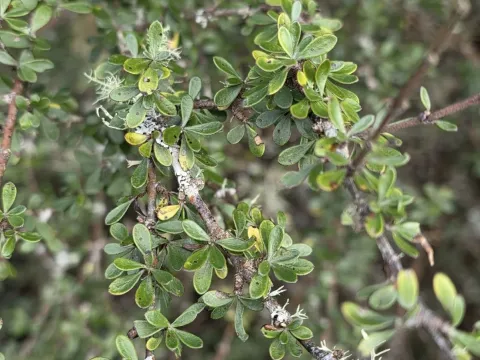
Olearia virgata
Olearia virgata
Olearia virgata is typically propagated through semi-hardwood cuttings taken in late summer. This method ensures that the young plants retain the genetic characteristics of the parent shrub.
What the section contains
Olearia virgata
Cuttings should be placed in a well-draining rooting medium and kept in a sheltered, humid environment until roots are well-established before transplanting.
When planting out in the garden, choose a site during the spring to allow the plant to settle in before the harsh winter conditions arrive.
Spacing is essential to maintain plant health; adequate distance between individuals promotes airflow and reduces the risk of fungal infections within the dense foliage.
Young plants require consistent monitoring of soil moisture during their first growing season to ensure successful establishment in the landscape.
Belonging to the Asteraceae family, Olearia virgata is a hardy evergreen shrub native to New Zealand, valued for its fine, twiggy texture and dense growth habit.
The plant thrives in full sun but can tolerate partial shade, provided the soil is free-draining and not prone to waterlogging, which is critical for its health.
While adaptable to various soil types, it performs best in soils with a neutral pH, though it is notably tolerant of wind, making it ideal for coastal environments.
Regular pruning is a key aspect of its maintenance, helping to shape the bush and encourage denser growth, especially after the flowering season has concluded.
Although it is moderately frost-tolerant, protection from extreme temperature drops is advisable in inland regions to prevent damage to the delicate outer twigs.
Fungal issues such as root rot and powdery mildew represent the primary disease threats, usually triggered by poor soil drainage and inadequate ventilation around the canopy.
In terms of pests, aphids and spider mites are known to infest the succulent new growth during warmer periods, potentially causing leaf distortion and overall stress.
Cultural control, such as removing deadwood and ensuring the site remains free of debris, is highly effective in mitigating the risk of pest and disease outbreaks.
Integrated pest management strategies, including the use of insecticidal soaps, are recommended for controlling populations of aphids without damaging beneficial insects.
Maintaining a balanced nutrition program without excess nitrogen prevents the development of overly succulent growth that is susceptible to environmental damage and pest attacks.