
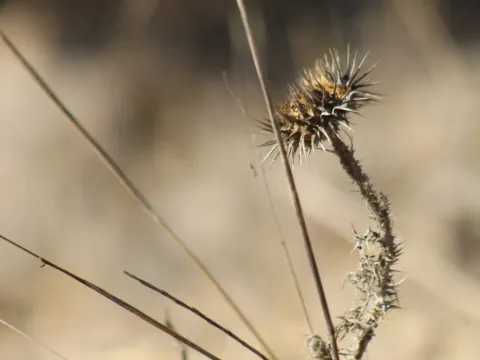
Onopordum blancheanum
Onopordum blancheanum
Sowing of Onopordum blancheanum is typically conducted in early spring, once soil temperatures reach 10-12 degrees Celsius. Proper seed stratification or pre-sowing soaking is recommended to improve germination rates in field conditions.
What the section contains
Onopordum blancheanum
The optimal seeding depth is 2-3 centimeters, depending on the specific soil texture of the planting site. Standard row spacing should be maintained between 60-70 centimeters to allow enough space for plant expansion.
In regions with mild winters, autumn sowing is an option to leverage winter moisture for early spring growth. However, this method requires careful site selection to avoid frost damage to germinating seeds.
Plant density management is crucial to prevent resource competition. Excessive crowding leads to spindly growth and lower overall plant vigor, reducing the final crop yield potential.
Thinning should be performed once the first set of true leaves appears, keeping a distance of 30-40 centimeters between plants. This step is essential for developing a strong root system and healthy vegetative biomass.
Onopordum blancheanum, a member of the Asteraceae family, is highly resilient and thrives in dry, sunny environments. It requires full sun exposure to maximize the synthesis of beneficial phytochemical compounds.
The crop prefers well-drained sandy or light loamy soils. It has a low tolerance for waterlogging, which can lead to root rot and other physiological stressors, making site selection based on drainage a top priority.
It is well-adapted to neutral or alkaline soil conditions, including rocky or gravelly substrates typical of its natural habitat. Regular application of phosphorus and potassium fertilizers in autumn supports overwintering.
The species is cold-hardy during its dormant stage, provided the soil is not overly saturated. It is well-suited to temperate climates, showing robust growth characteristics throughout the active season.
Implementing crop rotation is necessary to maintain soil health and prevent the buildup of pathogens common to the Asteraceae family. Avoid planting Onopordum blancheanum in fields recently used for related vegetable or medicinal crops.
The yield of Onopordum blancheanum depends heavily on proper field management and irrigation control. Under optimal conditions, the green biomass yield can range between 20-30 tons per hectare.
The crop is primarily cultivated for its secondary metabolites, used in pharmacological and industrial applications. The peak concentration of these active compounds occurs during the budding and early flowering phases.
Productivity is highest during the second year of growth, as the plant matures and produces extensive flowering stalks. Industrial harvesting is typically handled by specialized machinery to ensure efficiency.
Timing the harvest is critical; premature harvesting lowers the quality, while late harvesting leads to coarse, lignified plant tissues. Fast drying at controlled temperatures is vital to preserve the chemical profile.
Storage requires dry, well-ventilated facilities to prevent fungal growth. Maintaining low moisture levels is the most important factor in ensuring the shelf life and quality of the final agricultural product.
The primary threats to this crop are root rot and leaf spots, which are usually associated with high soil moisture or poor drainage. Seed treatment and field drainage are effective preventive measures.
Insect pests like aphids and weevils can damage young foliage and developing buds. Integrated pest management using organic-approved or targeted insecticides helps mitigate these risks without compromising crop safety.
Powdery mildew is a common issue in high-humidity or densely planted fields. Improving air circulation through proper plant spacing is a key strategy for managing this fungal pathogen.
Root nematodes can negatively affect plant development and total yield. Utilizing crop rotation practices and potentially incorporating antagonistic cover crops helps control nematode populations in the soil.
Continuous monitoring of the field is necessary to identify early signs of infestation. Removing and destroying affected plant debris at the end of the season ensures a cleaner start for the following year.
Harvesting Onopordum blancheanum occurs during the peak flowering phase to ensure maximum active ingredient content. Monitoring the physiological state of the plants is essential for determining the perfect harvest window.
Mechanized harvesting utilizes specialized headers set to the appropriate cutting height to minimize debris and dirt contamination. Rapid transport of fresh material to processing facilities prevents degradation.
Manual harvesting is performed on smaller scales to ensure only high-quality inflorescences are gathered. This precision harvesting yields a cleaner product that commands a higher market value.
Post-harvest processing involves immediate drying in climate-controlled chambers, ensuring the temperature does not exceed 45 degrees Celsius. This method effectively locks in the essential plant chemistry.
Final processing includes grading, cleaning, and packaging of the raw material. Once processed correctly, the product remains stable and ready for industrial or medicinal formulation use.