
Oligochaeta
Oligochaeta
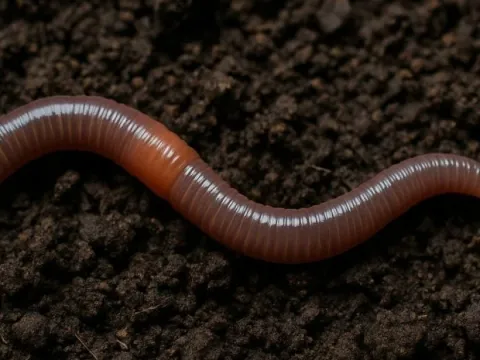
Oligochaeta, commonly known as earthworms, represent a vital class of annelids that are essential for maintaining soil health in modern agriculture. They act as ecosystem engineers by turning over the soil.
What the section contains

Oligochaeta
These organisms require a moist, well-aerated soil environment rich in organic matter. Their primary role involves decomposing plant material and cycling nutrients back into the soil matrix.
The optimal pH range for most agricultural earthworm species is between 6.0 and 7.5. Extremely acidic or alkaline conditions significantly inhibit their biological activity and reproduction rates.
Temperature regulation is critical for their survival, with most species performing best in moderate soil temperatures ranging from 15 to 20 degrees Celsius.
Conservation tillage practices are highly encouraged, as they protect the burrows of Oligochaeta and allow for a more stable population density throughout the growing season.
The agricultural use of Oligochaeta is primarily centered on vermicomposting, which produces high-quality organic fertilizer known for boosting crop productivity.
By creating intricate burrow networks, earthworms enhance soil porosity, allowing for better water infiltration and root expansion, which leads to increased harvest yields.
Vermicompost application supplies plants with readily available macro and micronutrients, promoting vigorous growth and natural resistance to common stress factors.
Utilizing earthworms in controlled farm environments transforms waste products into valuable soil amendments, reducing the need for costly synthetic fertilizers.
Crops grown in soils with healthy earthworm populations often exhibit superior growth and higher resistance to drought due to improved soil moisture retention.
Chemical pollutants, including excess synthetic fertilizers and certain pesticides, pose a significant risk to Oligochaeta populations by disrupting their physiological functions.
Mechanical soil compaction caused by heavy agricultural machinery restricts the movement of earthworms and causes direct physical trauma to the populations.
Inadequate organic matter management, such as the removal or burning of crop residues, deprives earthworms of their food supply and leads to population decline.
Climatic extremes like severe drought or flooding can force earthworms to migrate or perish, causing a temporary lapse in natural soil aeration processes.
Biological threats, including specific fungal pathogens and parasites in overpopulated vermiculture beds, can lead to widespread disease outbreaks among the colony.