
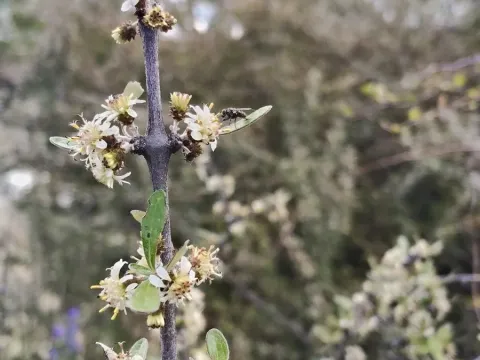
Olearia odorata
Olearia odorata
Olearia odorata is an evergreen shrub belonging to the Asteraceae family. Native to New Zealand, this species naturally inhabits rocky slopes and river valleys, demonstrating high adaptability to challenging terrain and varied topography.
What the section contains
Olearia odorata
The plant thrives in full sun exposure and requires a location with excellent airflow. While it is hardy in temperate maritime climates, it struggles in regions with severe frosts, making site selection critical for successful long-term cultivation.
Soil requirements focus on high drainage capacity. Olearia odorata does not tolerate waterlogged conditions, which lead to rapid root decay. The ideal substrate is a sandy or gritty loam with a neutral to slightly acidic pH level.
Agrotechnical maintenance involves light pruning after the flowering season to manage the shrub's shape and density. As a slow-growing species, it does not require intensive management, but consistent care is necessary to promote healthy foliage development.
In terms of usage, the plant is valued for its unique musky-scented flowers and silvery-green leaves, which provide aesthetic interest throughout the year. It is a preferred choice for dry gardens and coastal landscapes where its natural resilience is an asset.
The primary threat to the health of Olearia odorata is root rot, typically caused by excessive irrigation or heavy, poorly drained soil. Maintaining a balance of moisture is essential to prevent these fungal infections from compromising the root system.
Pests such as aphids and spider mites are known to infest the plant, especially during prolonged dry spells. These pests colonize the undersides of the leaves, drawing sap and causing significant foliage damage if left unchecked.
Regular sanitation of the shrub, including the removal of dead or crossing branches, is the most effective preventive measure against fungal pathogens. It improves air circulation and reduces the microclimatic humidity that fungi prefer.
Chemical control may be required if pest populations reach economic thresholds. Applying targeted systemic insecticides or horticultural oils can effectively manage infestations while minimizing impact on beneficial insects within the garden.
Correct nutrition is vital for plant immunity. Avoid high-nitrogen fertilizers that encourage rapid, soft growth susceptible to both environmental stress and pest attacks. Use balanced, slow-release fertilizers for steady development.