
Linzia glabra
Linzia glabra
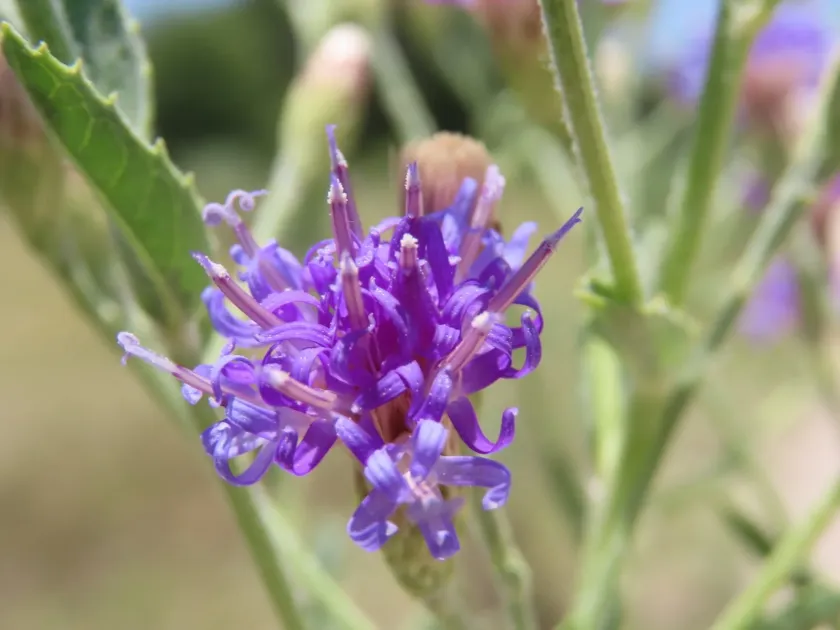
Description
Growing requirements
Linzia glabra, formerly classified under the genus Vernonia, is a robust herbaceous plant within the Asteraceae family. Native to tropical regions, this species is well-known for its adaptability and ability to thrive in diverse ecological conditions across Africa.
The crop requires well-drained, fertile soil to reach its full growth potential. It is particularly well-suited to sandy loam and loamy soil types that allow for proper root development while preventing excessive moisture retention which could lead to root-related stress.
Climatic requirements focus on warmth and sunlight. As a photophilous species, it requires high levels of solar radiation to ensure healthy development of its stems and leaves, making it an ideal choice for open-field agriculture in tropical or subtropical zones.
Good agricultural practice involves maintaining proper inter-row spacing to facilitate air circulation. This reduces humidity levels within the plant canopy, creating a microclimate that is less conducive to the proliferation of fungal pathogens and ensures more efficient use of nutrient resources.
Nutrient management is essential for optimizing productivity. While the plant is hardy, providing adequate levels of potassium and micronutrients during the vegetative stage promotes structural integrity and improves the plant's overall resistance to environmental stressors.
Main diseases and pests
Common threats to Linzia glabra include fungal infections such as leaf spot, which is characterized by the appearance of dark or discolored patches on the foliage. Proper sanitation of the field, including the removal of infected debris, is vital to controlling the spread of these spores.
Insect pests, specifically aphids and mites, are primary concerns for growers. These organisms frequently attack the tender parts of the plant, causing yellowing and deformation, which can lead to significant reductions in both photosynthetic capacity and biomass yield.
Integrated pest management (IPM) strategies are highly recommended to minimize the reliance on chemical inputs. Encouraging natural predators and utilizing biological control agents helps maintain pest populations below the economic injury level.
Water management is linked to disease prevention. Over-irrigation, especially in poorly drained areas, creates an environment where soil-borne pathogens can thrive, potentially leading to root rot and the sudden collapse of the crop.
Consistent monitoring and early detection of infestations are key components of a successful agricultural cycle. By implementing a strict schedule for field inspections, growers can mitigate risks before minor problems escalate into significant crop losses.