
Linzia nigritiana
Linzia nigritiana
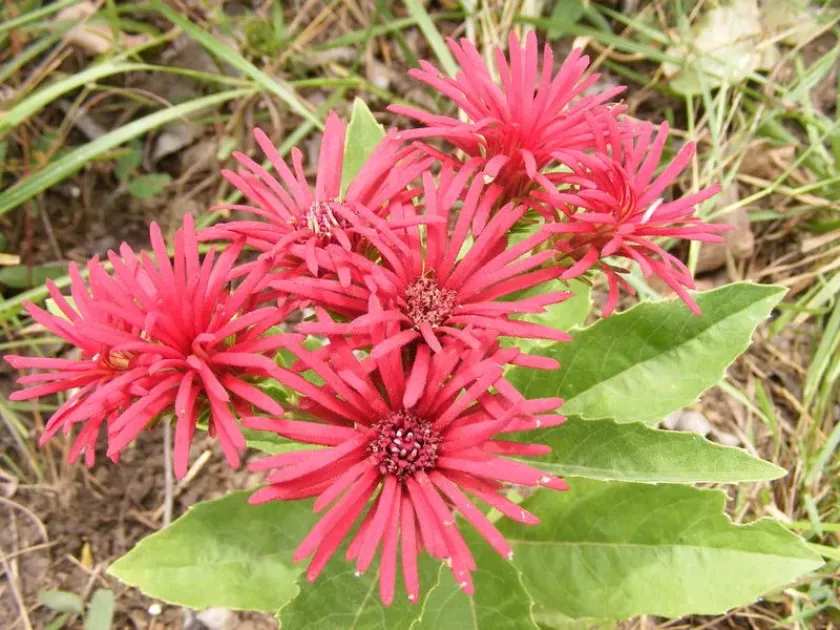
Description
Growing requirements
Linzia nigritiana is a perennial herb that belongs to the Asteraceae family. Known historically under the synonym Vernonia nigritiana, this plant has gained attention for its specific secondary metabolites and resilience in tropical environments.
Originating from the tropical regions of Africa, this plant is primarily distributed across savannah ecosystems. It thrives in regions with distinct wet and dry seasons, demonstrating a robust biological mechanism to survive fluctuating water availability.
Cultivation requirements necessitate soils with high porosity and sufficient organic matter. The species prefers sunny exposure and generally avoids shaded conditions, which can lead to elongated, weak stems and reduced secondary metabolite production.
Regarding agrotechnical practices, consistent weed management during the seedling stage is critical. Farmers typically employ manual or mechanical thinning to ensure optimal spacing, which promotes better air circulation and reduces the risk of fungal outbreaks.
The plant is highly valued for its ethnobotanical applications. Various parts of the plant are utilized in traditional medical practices, serving as a basis for treatments targeting gastrointestinal issues and skin inflammation, and they are currently being studied for industrial pharmaceutical production.