
Lindheimera texana
Lindheimera texana
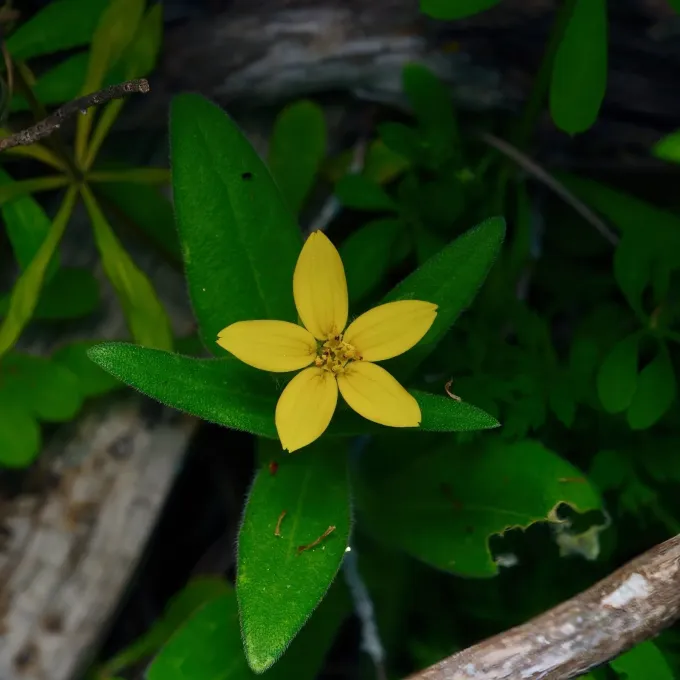
Description
Sowing dates
Lindheimera texana, commonly known as Texas yellow star, is a spring-flowering annual herb in the Asteraceae family. It is best sown directly into the soil in early spring when danger of frost has passed.
The seeds should be sown on the surface or covered very lightly with soil, as they often require light to germinate effectively. A sunny location is mandatory for successful establishment.
For gardeners looking to extend the season, starting seeds indoors 4–6 weeks before the last frost date is possible. However, the plants should be hardened off carefully before final transplanting.
Spacing is critical to maintain plant health. Placing plants about 25 cm apart allows for sufficient air circulation, which prevents many of the common fungal issues associated with densely packed beds.
Once established, the seedlings grow rapidly. They typically reach the flowering stage within a few months, turning empty garden spaces into vibrant yellow patches.
Growing requirements
This species is native to Texas and is well-adapted to hot, arid conditions. It thrives in full sun and requires very little maintenance once the root system is well-established.
Soil drainage is the most vital requirement for this culture. It naturally occurs in rocky, sandy, or well-drained soils and will struggle or rot in heavy, waterlogged clay environments.
The plant is highly tolerant of drought. While occasional watering during extreme dry spells can improve flowering duration, the plant can survive long periods without supplemental irrigation.
It prefers a neutral to slightly alkaline soil pH. Adding compost is usually unnecessary, as the plant does not require high levels of nitrogen and performs best in lean soils.
Climate adaptability makes it a great choice for xeriscaping projects. It is one of the more resilient annuals that can withstand the intense heat of the peak summer months.
Main diseases and pests
While generally hardy, Lindheimera texana can be susceptible to root rot if the soil remains excessively damp. This is the most common threat to plant vitality.
Powdery mildew may occur during periods of high humidity and poor air circulation. Symptoms include a white, powdery dusting on the leaves, which can be managed with better spacing.
Aphids occasionally feed on the tender young growth during the early stages of development. Regular inspection and natural predators like ladybugs are usually sufficient for control.
Snails and slugs can damage seedlings in the early spring, especially in gardens with high moisture levels. Protective barriers or mulching with coarse materials can help mitigate this.
Viral diseases are rare, but it is important to remove any plants that show unusual yellowing or stunted growth to prevent potential spread to healthy specimens.
Harvesting
The harvest of Lindheimera texana is primarily focused on seed saving. Seeds ripen in late spring or early summer, following the bloom period.
Collect the seed heads once they have dried naturally on the plant. This ensures that the seeds have reached full maturity, increasing the likelihood of successful germination next season.
If the goal is purely ornamental, deadheading the spent blooms can encourage the plant to produce more flowers for a longer period throughout the spring and early summer.
The plant does not produce a crop for human consumption. Its value is strictly ecological, supporting local pollinators like bees and butterflies in its native habitat.
At the end of the life cycle, as temperatures climb and the plant yellows, it should be removed from the garden. This helps in managing the site for secondary summer plantings.