
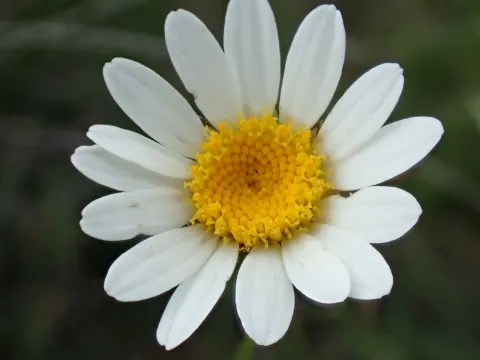
Leucanthemum pallens
Leucanthemum pallens
Leucanthemum pallens is a hardy herbaceous perennial belonging to the Asteraceae family. In agricultural and horticultural contexts, this crop is propagated primarily through seeds or vegetative division of established clumps.
What the section contains
Leucanthemum pallens
Sowing in open ground is best carried out in April or May, once the soil has warmed sufficiently to support germination. Early indoor sowing in greenhouses allows for a longer growing season, resulting in stronger plants for transplanting.
When sowing, seeds should be covered with a thin layer of soil, approximately 1–1.5 cm deep. Consistent moisture is crucial for successful germination, which typically occurs within two to three weeks under optimal conditions.
Vegetative propagation via root division is the preferred method for maintaining the purity of specific cultivars. This process is best performed during the dormant season, either in early spring or late autumn.
The recommended planting density is 30–45 cm between plants to ensure adequate space for development. Proper spacing is essential to reduce humidity around the base of the plant and prevent fungal infections.
This crop is a sun-loving plant that requires full exposure to sunlight to thrive. In shaded areas, the stems become weak and leggy, leading to a significantly reduced yield of flowers and poor plant structure.
The ideal growing medium is fertile, well-drained soil with a neutral pH level. If the soil is heavy or prone to waterlogging, amending it with organic compost or peat is necessary to improve its physical properties.
Regular irrigation is vital during the peak growing season, particularly during the budding phase. While the plants are relatively resilient, prolonged drought will negatively impact the quality and size of the blooms.
Winter care is generally straightforward, but in colder climates, providing a layer of mulch around the root zone helps protect the crown from freezing temperatures and fluctuating ground conditions.
Routine weeding and soil cultivation are essential for maintaining plant health. Keeping the area free of competing weeds ensures that nutrients and water are available for the crop, enhancing overall plant vigor.
Powdery mildew is a significant threat to Leucanthemum pallens, especially in humid conditions. Managing airflow and applying appropriate fungicides can prevent the spread of this foliage-disfiguring disease.
Root rot is common in poorly drained soils. Farmers must ensure proper field drainage and avoid over-irrigation to maintain the health of the plant's root system, which is crucial for long-term survival.
Aphids and capsid bugs are frequent pests that attack the tender parts of the plant. These insects feed on sap, causing stunted growth and deformed flowers, which reduces the marketability of the crop.
Spittlebugs can also cause damage by hiding within protective foam on the stems. Regular scouting allows for early detection and the targeted application of insecticides to control these infestations effectively.
Biological pest control methods, such as encouraging natural predators, are increasingly used in modern farming. These practices minimize chemical inputs and contribute to a more sustainable agricultural environment.
Harvesting Leucanthemum pallens is primarily focused on the cut-flower market. The best time for harvest is in the early morning while the flowers are partially open, ensuring maximum vase life for consumers.
Immediately after cutting, stems should be placed in clean, fresh water. Removing lower leaves prevents bacterial growth in the vase and keeps the stems hydrated for a longer period of time.
Seed collection is performed at the end of the summer when the flower heads have dried and turned brown. Proper timing is critical to prevent the seeds from shattering and being lost to the ground.
Post-harvest, seeds must be thoroughly dried in a ventilated area away from direct sunlight. This ensures they maintain high viability for the next planting cycle and prevents molding during storage.
Once the flowering season concludes, the foliage should be cut back to 10–15 cm above the ground. This practice helps the plant redirect energy to the roots, ensuring a healthy return the following year.