
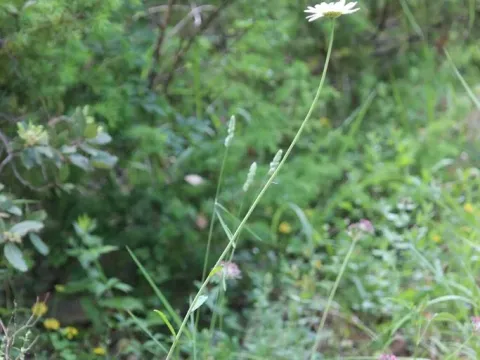
Leucanthemum subglaucum
Leucanthemum subglaucum
Leucanthemum subglaucum is a perennial herbaceous plant belonging to the Asteraceae family. It is a highly valued species in ornamental gardening due to its resilience and attractive foliage.
What the section contains
Leucanthemum subglaucum
Sowing in the open field is best performed in spring once the danger of frost has passed. The seeds germinate well in temperatures ranging from 15 to 20 degrees Celsius, requiring a sunny spot.
For indoor propagation, seeds can be started in trays during late winter. Providing sufficient light and maintaining moderate moisture levels are crucial for healthy seedling development.
Seedlings should be transplanted to their final location with a spacing of approximately 30–40 cm to allow for proper airflow. This spacing is vital for the long-term health of the plants.
Using a well-drained, light soil mix ensures the best results for seed germination. Avoid burying the seeds too deeply; a light layer of soil is usually sufficient.
This plant thrives in full sun exposure. While it may tolerate partial shade, maximum flowering intensity and structural integrity are achieved only under bright, direct sunlight conditions.
The soil should be fertile, loose, and possess excellent drainage characteristics. Leucanthemum subglaucum does not tolerate waterlogged conditions, which can lead to rapid root decay.
Neutral soil acidity is preferred for optimal nutrient uptake. If the soil is excessively acidic, adding lime before planting can significantly improve the plant's overall vigor.
Regular watering is necessary during active growth and dry summer months. However, care should be taken to water the base of the plant rather than the foliage to prevent fungal growth.
Applying balanced fertilizers at the beginning of the spring season supports robust growth. Mulching around the base helps retain soil moisture and suppresses weed competition.
The most common health issues for this plant include powdery mildew and leaf spot diseases. These are often triggered by high humidity levels and poor circulation between individual plants.
Pests such as aphids and plant bugs can cause significant damage by feeding on young tissue. Early detection and intervention are critical to preserving the plant's ornamental quality.
Fungicides can be used as a preventative or curative measure for fungal infections. It is important to select treatments that are safe for the surrounding environment.
Manual removal of infected leaves or heavily infested plant parts helps limit the spread of diseases. Always sanitize cutting tools between plants to prevent cross-contamination.
Encouraging beneficial insects in the garden can naturally keep aphid populations in check, reducing the need for chemical interventions throughout the growing season.
Leucanthemum subglaucum is primarily utilized for aesthetic purposes in landscaping and bouquet making. Its long, sturdy stems make it an excellent choice for cut flower arrangements.
Harvesting for fresh displays should be done early in the day. Cutting stems when the flowers are just starting to open ensures maximum longevity in a vase.
Deadheading spent flowers is a recommended practice to promote repeat blooming. This simple action keeps the plant looking tidy and focuses its energy on new growth.
Before the onset of winter, the foliage should be cut back to just a few centimeters above the ground. This dormancy period allows the plant to recover and store energy for spring.
Seed collection can be performed at the end of the season once the flower heads have dried and turned brown. Store seeds in a cool, dry place to maintain viability for future plantings.