
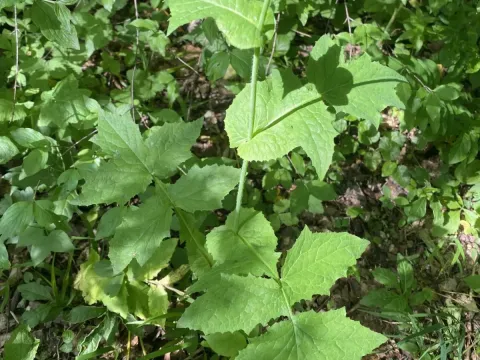
Oak-leaved lettuce
Lactuca quercina
Oak-leaved lettuce (Lactuca quercina) is a distinct species of herbaceous plant belonging to the Asteraceae family. Known for its deeply lobed leaves that resemble oak foliage, it is typically found in shaded forest areas across Europe and parts of Western Asia.
What the section contains
Oak-leaved lettuce
Regarding soil requirements, the species thrives in nutrient-rich, well-draining soils with a neutral pH. While it displays some tolerance for varied soil types, optimal yields are achieved in moisture-retentive loams. Proper soil structure is essential for root development, as the plant possesses a significant taproot system.
Climate preferences for Lactuca quercina are centered on moderate temperature ranges. It prefers cool to mild conditions and does not perform well under intense, prolonged heat, which can trigger premature bolting. In cultivation, protecting the plant from direct midday sun during mid-summer is often recommended.
The agricultural and economic significance of the crop lies in its potential pharmaceutical use. The plant's latex contains compounds that have historically been studied for their sedative properties. It serves as a botanical subject of interest for those exploring heritage or medicinal plant cultivation.
Agronomic management involves regular weeding and maintaining sufficient moisture levels throughout the growing season. Because the plant is often perennial or biennial, fertilization should be applied in early spring to support the development of vegetative mass before the flowering stage.
Powdery mildew represents a significant fungal threat, especially in environments with poor air circulation. Symptoms include a dusty white appearance on the leaves, which can inhibit photosynthesis and overall plant vigor.
Aphids are the most common insect pests, clustering on the undersides of leaves and on the developing stem. Persistent monitoring is required to prevent sap loss and potential transmission of viral diseases between individual plants.
Slugs and snails can cause considerable damage, particularly to younger seedlings. Implementing physical barriers or organic pest management strategies is necessary to protect the plant during its early stages of growth.
Root rot, driven by stagnant water or compacted soil, is a frequent cause of crop failure. Ensuring proper drainage and avoiding excessive irrigation is the most effective preventative measure against these soil-borne pathogens.
Leaf miners represent another threat, leaving characteristic tunnels within the leaf tissue. Although often cosmetic, severe infestations can significantly reduce the marketable quality and yield of the harvested foliage.