
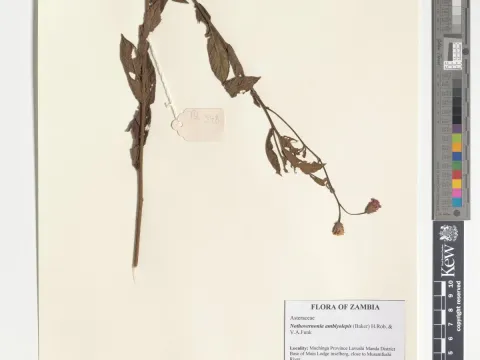
Nothovernonia
Nothovernonia
Nothovernonia is a genus of flowering plants that belongs to the Asteraceae family. These plants are primarily characterized by their composite inflorescences, typical for members of the daisy family found in specific tropical zones.
What the section contains
Nothovernonia
The native distribution area of Nothovernonia is concentrated within African regions. They are naturally adapted to savanna environments, showing a remarkable resilience to distinct cycles of drought and rainfall that define their ecological niche.
In terms of agricultural requirements, the plants prefer well-drained, porous soils that prevent waterlogging. A sandy or silty soil structure with a neutral pH level provides the ideal conditions for the deep-rooting system characteristic of this genus.
Climatic requirements involve high solar exposure and sustained warm temperatures. While they are tolerant to dry conditions, optimal biomass production is observed during periods of moderate, consistent moisture availability during the growing season.
The agricultural usage of Nothovernonia is currently being explored for fodder potential and as a source of biomass. Research also continues into its role in local biodiversity restoration and potential medicinal properties found in its phytochemical profile.
The primary diseases affecting Nothovernonia involve fungal pathogens such as rusts and mildews, which can thrive in high-humidity microclimates within a crop canopy.
Insect pests, including aphids and various lepidopteran larvae, often target the tender shoots and leaves, necessitating active monitoring programs throughout the vegetative stage.
Root rot caused by Pythium or Fusarium species is a significant threat when soil drainage is inadequate or when the fields remain oversaturated for extended periods.
Integrated Pest Management (IPM) strategies are recommended to mitigate threats, emphasizing the use of beneficial insects and resistant cultivars to maintain plant health.
Crop rotation and field sanitation are essential practices to break the life cycles of soil-borne pathogens and ensure long-term sustainability of the planting site.