
Nuttall's sunflower
Helianthus nuttallii
Description
Growing requirements
Nuttall's sunflower (Helianthus nuttallii) is a perennial herbaceous plant belonging to the Asteraceae family. This species is recognized for its robust nature and its significant role as a wild relative of the common commercial sunflower.
The plant originates from North America, specifically found in the Western United States and Canada. Its natural habitat includes damp meadows, riverbanks, and open prairies, where it thrives despite local environmental challenges.
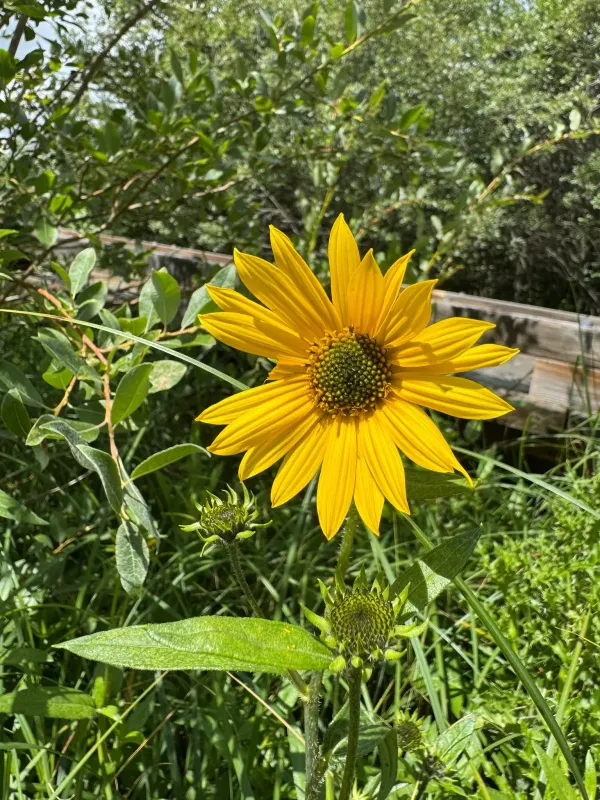
Botanically, it features a tall, slender stem and lanceolate leaves. The bright yellow flower heads bloom in late summer, characteristic of the Helianthus genus, providing a vital nectar source for native pollinators and insects.
Regarding climatic requirements, the plant is remarkably hardy. It is adapted to various temperature fluctuations and is known for its ability to grow in areas with seasonal moisture, distinguishing it from more drought-tolerant sunflower species.
Soil preferences are diverse, but the plant excels in moist, fertile soils. Its root system, often consisting of rhizomes, allows it to persist year after year, making it a reliable perennial species in its native ecosystems.
Main diseases and pests
Like many members of the sunflower family, Helianthus nuttallii can be affected by fungal pathogens. Rust and powdery mildew are the most common diseases observed, particularly in environments with high humidity and poor air circulation.
Insect pests such as aphids and sunflower beetles may pose a threat to plant health. While these plants have evolved natural defenses, intense infestations can reduce vegetative growth and impact overall flower production.
Root-related issues can occur in waterlogged or overly compacted soils. Preventing decay requires maintaining good soil drainage, even for a species that enjoys moist conditions in its natural range.
Seed-feeding insects, such as the sunflower moth larvae, can cause damage to the developing seeds within the head. This impacts the reproductive success of the plant, which is an important consideration for conservation.
Effective management involves consistent monitoring and the promotion of natural predator populations. Maintaining a healthy balance in the local environment is key to mitigating the pressure from these common threats.