
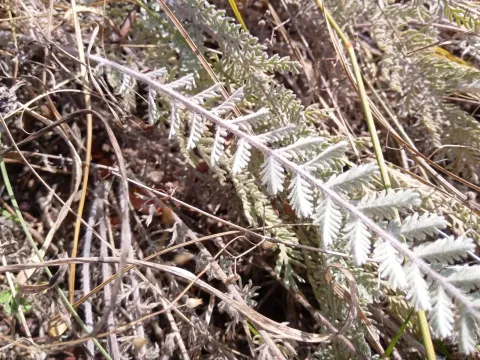
Odessa tansy
Tanacetum odessanum
Odessa tansy (Tanacetum odessanum) is a perennial herbaceous plant belonging to the Asteraceae family, recognized for its adaptation to steppe climate zones.
What the section contains
Odessa tansy
Sowing should be carried out in early spring to utilize residual soil moisture, which is critical for the germination of the fine seeds characteristic of this species.
The optimal sowing depth is approximately 1 to 2 centimeters to ensure the seeds have enough energy to emerge through the soil layer.
A row spacing of 45 to 60 centimeters is recommended for mechanical field maintenance and to prevent overcrowding in subsequent years.
Proper seedbed preparation is vital, requiring a fine and firm structure to ensure uniform seed-to-soil contact and consistent stand development.
This crop thrives in open, sunny locations with high solar radiation, which is essential for the accumulation of active compounds in the plant tissues.
It prefers well-drained, fertile soil types, such as loams or sandy loams, and is highly intolerant of waterlogged conditions or heavy, dense soils.
As a drought-tolerant species, it requires minimal supplemental irrigation once the root system is well established in the field.
Nutrient management focuses on moderate applications of phosphorus and potassium to support plant health and winter hardiness in perennial stands.
The plant demonstrates natural resistance to many common agricultural pests, largely due to the presence of secondary metabolites like essential oils.
Harvesting for medicinal purposes occurs during the peak flowering stage, which usually falls in the summer months depending on the specific region.
Clipping the inflorescences should be performed using sharp tools to minimize stress to the plant and prevent damage to the lower stems or crown.
The harvested plant material must be kept in thin layers during the drying process to prevent fermentation and loss of volatile components.
Mechanical harvesting is feasible using standardized equipment, provided that the height of the cut is adjusted to leave enough leaf area for regrowth.
Quality control after harvest includes checking for moisture content and ensuring the absence of impurities, such as weed seeds or soil particles.