
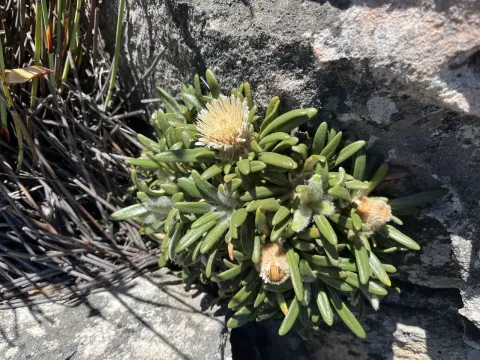
Oldenburgia
Oldenburgia
Oldenburgia is a distinct genus of woody plants belonging to the Asteraceae family. These plants are endemic to the Cape region of South Africa, where they have evolved to survive in harsh, rocky mountain environments.
What the section contains


Oldenburgia
Botanically, Oldenburgia species are characterized by their thick, woody stems and large, leathery leaves covered in a silvery tomentum. These leaves are typically clustered at the tips of the branches, providing a striking structural appearance.
Cultivation requirements for Oldenburgia are strict, as the plant demands excellent drainage and high levels of sunlight. In domestic settings, they must be grown in specialized gritty substrates to mimic their natural rocky slopes.
Climate conditions are paramount; the plants thrive in Mediterranean-style climates but struggle in environments with high humidity and cold winters. They require a period of relative dryness to stimulate proper seasonal growth.
Economically and horticulturally, the plant is viewed as a botanical curiosity. Its use is limited to niche ornamental gardening, specialized conservatory collections, and conservation-focused research projects.
Root rot is the most significant threat to Oldenburgia cultivation. It is almost exclusively caused by poor drainage or excessive irrigation, which leads to the rapid decay of the taproot system.
Spider mites represent a major pest issue, particularly in greenhouses. They thrive in dry, stagnant air conditions and can quickly devastate the foliage by sucking nutrients from the leaf surfaces.
Powdery mildew can affect the leaves during periods of poor ventilation. Keeping the environment airy and avoiding moisture accumulation on the leaf rosettes is essential for long-term health.
Mealybugs are another common pest that hides in the dense leaf rosettes. Regular inspections are necessary to identify and treat infestations before they spread across the entire plant structure.
Fungal infections in the stems occur if pruning wounds are not allowed to dry properly. It is recommended to use sterile tools and apply protective pastes to any cuts to ensure the plant remains disease-free.