
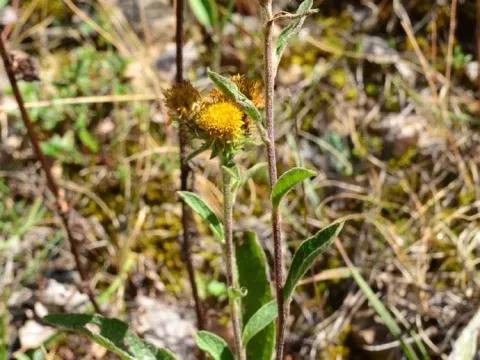
Inula langeana
Inula langeana
Inula langeana is a perennial herbaceous plant belonging to the Asteraceae family. It is typically adapted to mountainous environments and prefers well-drained, nutrient-rich soil conditions.
What the section contains
Inula langeana
The plant thrives in full sun, which is crucial for the development of its root system and the synthesis of bioactive compounds. Partial shade may lead to leggy growth and lower quality of the raw material.
Soil requirements include a neutral to slightly acidic pH. The structure should be loamy, allowing for good aeration while maintaining sufficient moisture levels throughout the growing season.
This species is characterized by its winter hardiness, although it benefits from snow cover or mulch in colder climates to prevent deep freezing of the soil around the rhizomes.
Consistent water supply is essential during the early stages of growth, though once established, the plant shows moderate resistance to short dry spells.
Planting of Inula langeana is usually initiated in early spring as soon as the soil can be worked. Alternatively, seeds can be sown in late autumn for stratification during the winter.
Seeds are broadcast or sown in rows with a spacing of 50 centimeters. Given their small size, they should be covered with only a thin layer of fine soil to ensure proper germination.
The germination period usually lasts around three weeks. During this time, the soil surface must remain consistently moist to support the developing seedlings.
Weed management is critical in the first year, as the slow-growing seedlings can easily be outcompeted by invasive weeds in the field environment.
Transplanting can also be performed using root divisions. This method is preferred if specific genetic traits need to be maintained or if rapid biomass production is required.
Harvesting of the rhizomes is performed during the second or third year of growth. The most favorable time is late autumn when the plant enters dormancy.
During this period, the plant transports sugars and medicinal oils down to the root system, resulting in higher quality yields compared to harvests done during the flowering stage.
After excavation, the roots are thoroughly cleaned to remove soil and unwanted side roots. This step is essential for maintaining product hygiene and marketability.
Drying is performed in controlled environments. Temperatures must be regulated to avoid the evaporation of essential oils, which are vital for the therapeutic value of the plant.
The final product is stored in airtight, moisture-proof containers in a cool, dark environment to ensure a long shelf life and preserve the plant's chemical profile.