
Helianthella uniflora
Helianthella uniflora
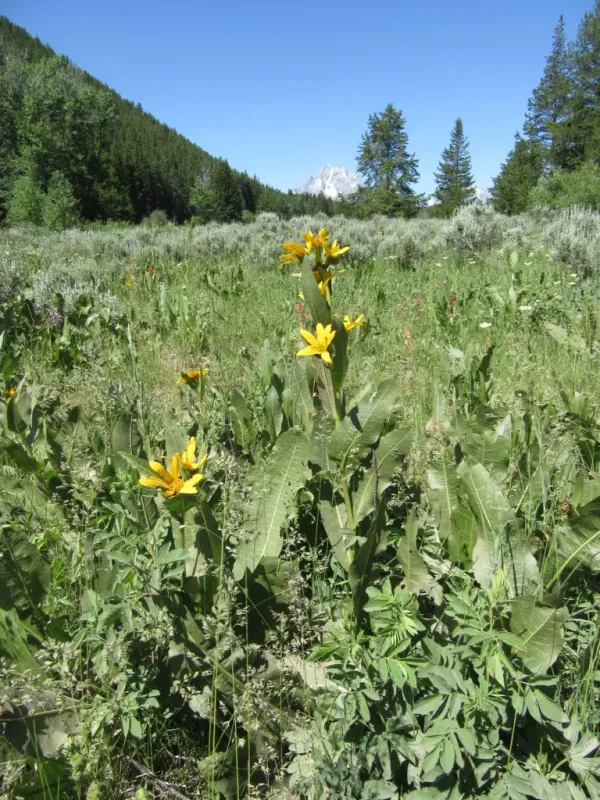
Description
Growing requirements
Helianthella uniflora, commonly known as the one-flower helianthella, is a herbaceous perennial member of the Asteraceae family. It is a distinctive plant native to the western regions of North America, where it thrives in diverse mountainous landscapes.
The plant originates from high-elevation habitats and subalpine meadows, which have shaped its hardy nature. It is typically found in environments with intense sunlight and well-drained soils, allowing it to adapt to fluctuating seasonal conditions.
Botanically, it is characterized by a stout taproot and a rosette of basal leaves. The flower head usually appears singly atop a pubescent stem, giving the plant its specific epithet uniflora. This structure is an evolutionary adaptation to preserve energy in harsh climates.
Cultivation requires conditions that mimic its natural habitat: sandy or rocky soil with excellent drainage is paramount. The plant does not tolerate heavy clay or waterlogged soils, which can cause significant stress to the root system and inhibit development.
Exposure to full sun is essential for the healthy growth and blooming of the species. When cultivated in appropriate sites, the plant provides a rugged, aesthetic appeal suitable for rock gardens or native plant landscaping projects.
Main diseases and pests
Root rot is the most common threat to Helianthella uniflora, usually caused by overwatering or poor soil aeration. Preventing prolonged moisture around the base of the plant is the most effective way to maintain its health.
Aphids can frequently infest the flower buds and tender stems during the growing season. Early detection and targeted treatment with horticultural soap or systemic insecticides are recommended to prevent population spikes.
Powdery mildew may develop in areas with low air circulation or high humidity levels. Ensuring proper spacing between plants helps to reduce the incidence of this fungal disease throughout the growing season.
In some regions, small mammals like voles may feed on the taproot during the winter months, leading to plant mortality. Protecting the root zone with mesh or using repelling methods can mitigate this biological threat.
Nutrient deficiency, specifically related to micronutrients, can lead to chlorosis and weakened plant vigor. Regular soil testing and balanced fertilization programs are necessary to ensure the plant remains resistant to environmental stresses.