
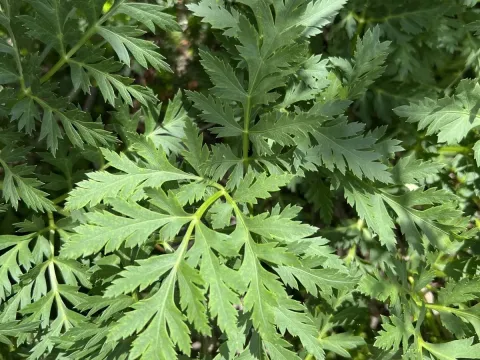
Grafia golaka
Grafia golaka
Grafia golaka is a perennial herbaceous plant belonging to the Apiaceae family. Sowing is typically conducted in early spring as soon as soil temperatures reach a stable range of 8–10 degrees Celsius, ensuring favorable germination conditions.
What the section contains
Grafia golaka
Seedbed preparation is vital, requiring well-tilled soil with a fine tilth. Seeds should be sown at a shallow depth of 1–2 centimeters, which allows them to emerge efficiently without exhausting their initial nutrient reserves.
For large-scale cultivation, rows are spaced at 30–40 centimeters apart to facilitate mechanical weeding and ensure adequate airflow between plants. Proper spacing is essential to reduce moisture stagnation and the subsequent risk of fungal development.
Early autumn sowing is also an option in milder climates, allowing seeds to overwinter and germinate naturally with the first warmth of spring. This practice often leads to stronger root development before the onset of summer heat.
After thinning, the final density should be adjusted to approximately 15–20 centimeters between individual plants. This density balance optimizes the use of sunlight and soil resources, maximizing the overall biomass production of the field.
The culture thrives in well-drained, fertile soils with a neutral or slightly acidic pH level. Heavy, waterlogged clays are unsuitable for this plant as they impede root respiration and encourage crown rot.
Grafia golaka is highly photophilic and performs best in open, sunny locations with minimal shading. Exposure to full sunlight is critical for its metabolic processes and the development of high-quality vegetative mass.
The plant demonstrates good adaptability to temperature fluctuations but prefers a temperate climate. The ideal growth temperature range lies between 18 and 24 degrees Celsius, with sufficient water availability during peak growth stages.
Irrigation management should be precise, prioritizing consistent soil moisture over frequent saturation. Drip irrigation is highly recommended for this crop to maintain optimal root zone hydration while keeping the foliage dry.
Soil fertility is maintained through the application of well-rotted compost or balanced NPK fertilizers. Nitrogen is particularly important in the early stages of growth, while phosphorus supports robust root system expansion.
The main threats to Grafia golaka include various fungal pathogens such as powdery mildew, which often appears during periods of high humidity and poor ventilation. Promptly addressing these issues is crucial for maintaining plant vigor.
Pests like aphids and spider mites are frequent adversaries in the field. These insects feed on plant sap, leading to stunted growth and potentially transmitting viral diseases that can severely impact yield.
Implementing an integrated pest management (IPM) strategy is recommended to reduce reliance on broad-spectrum pesticides. This includes biological controls and the encouragement of beneficial insect populations that prey on common pests.
Effective weed control is a cornerstone of plant protection. Weeds serve as reservoirs for pests and diseases, and their removal ensures that the crop receives the full benefit of soil nutrients and sunlight without competition.
Crop rotation remains the most effective long-term strategy for disease suppression. Avoiding fields previously planted with other Apiaceae species prevents the build-up of host-specific pathogens in the soil profile.