
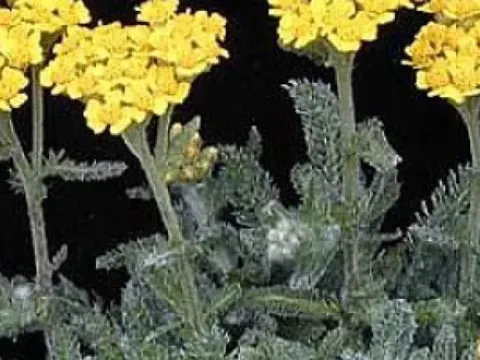
Golden yarrow
Achillea chrysocoma
The sowing of Golden Yarrow seeds is best performed in the spring when soil temperatures consistently reach at least 10-12 degrees Celsius for successful germination.
What the section contains
Golden yarrow
Seed stratification is highly recommended to break dormancy and ensure a uniform germination rate across the entire sown area in field conditions.
Both direct seeding and transplanting methods are viable, though transplanting established seedlings often leads to more stable and faster establishment of the crop.
Row spacing should be maintained between 45 and 60 centimeters, providing sufficient space for mechanical cultivation and adequate air circulation between plants.
Given the small size of the seeds, they should be sown shallowly or surface-sown to ensure they receive the light necessary for initial seedling development.
Golden Yarrow is a resilient perennial belonging to the Asteraceae family, thriving in full sun and well-drained, sandy or light loamy soil conditions.
The species shows excellent drought tolerance, making it an ideal choice for cultivation in arid or semi-arid regions with minimal supplemental irrigation.
Soil structure is critical; the plant requires excellent drainage as its root system is highly susceptible to rot in waterlogged or heavy clay environments.
Originating from the Balkan mountain regions, the crop is well-adapted to temperature fluctuations, exhibiting high cold hardiness during the winter months.
Nutrient requirements are modest, and the plant can thrive in soils where other more demanding agricultural crops might struggle to produce a consistent yield.
Fungal pathogens such as powdery mildew represent the most significant threat to Golden Yarrow, especially during periods of high humidity or poor aeration.
Pests including aphids and various plant bugs may attack the developing flower heads, potentially impacting the oil yield and overall quality of the harvest.
Root rot remains a chronic issue in fields lacking proper slope or drainage, necessitating rigorous monitoring and avoidance of over-irrigation during the wet season.
Integrated pest management strategies, focusing on biological controls and proper site selection, are preferred to maintain the organic standards often required for herbs.
Timely identification of symptoms and removal of infected plant material can effectively prevent the rapid spread of diseases across the entire planting area.
The optimal harvest window occurs during the full bloom stage, as this is when the concentration of essential oils within the golden flower heads is at its peak.
Harvesting involves cutting the flower stems while leaving the basal foliage intact, which allows the plant to recover and produce vegetative growth for the following season.
Post-harvest processing requires drying the material in a cool, well-ventilated, shaded area to preserve the vibrant yellow color and volatile oil integrity.
Once dried, the product is utilized in the pharmaceutical industry, for cosmetic oil extraction, and as a sought-after component in high-quality herbal tea blends.
Proper storage conditions, including cool temperatures and moisture-proof packaging, are essential to maintain the quality of the raw material before final processing.